One week after Central Florida voters approved Amendment 3 – a measure that raises the homestead exemption and lowers property‑tax bills for homeowners – Orlando city leaders are confronting a projected $30 million shortfall for the fiscal year beginning October 2025, with an even larger $50 million gap expected in 2028.
Mayor Dyer outlines the city’s pre‑emptive steps
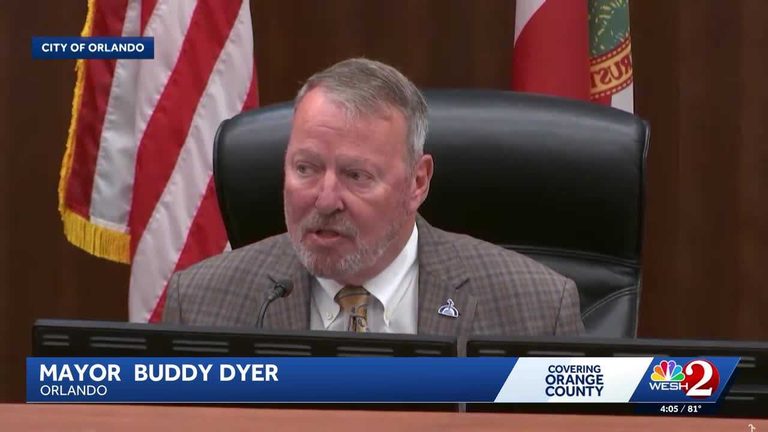
Mayor Buddy Dyer told the City Council on Monday that the administration had already moved to protect the budget before the amendment took effect. In July, the city instituted a hiring freeze across all departments except public safety and set aside a portion of this year’s fiscal savings into a newly created budget stabilization fund.
“We have set aside a portion of this year’s fiscal savings to protect the city from future years,” Dyer said, emphasizing that the fund is intended to cushion the impact of reduced revenue.
Potential cuts could affect quality‑of‑life services
While the mayor stressed that police and fire services will be shielded, he warned that other essential functions may face reductions. Departments such as transportation, waste management and the Parks and Recreation division could see budget trims if the city cannot find alternative revenue sources.
“Every community in this state is gonna have those difficult decisions,” Dyer added, noting that state lawmakers may call a special legislative session to provide additional guidance, though no timeline has been set.
Residents voice concern over park maintenance
At Lake Eola Park, longtime visitors expressed worry that cuts could degrade the beloved green space. Beth Westcott, who often brings her sister from the Orlando Health facility to the park, said, “I feel that this park is really important to my sister, and we’re able to get her out.”
Peter Sansouci, who voted against Amendment 3, echoed those concerns: “I would hate to see, you know, trash and the park change, not being taken care of. That would be disappointing.”
John Moore, a regular park‑goer, highlighted the economic role of well‑maintained parks, noting that they attract visitors downtown. He warned that budget cuts would be immediately visible: “You see the same multiple maintenance people there every day, and so they’re always working on something. So it would be immediate.”
Balancing safety and community services
The city’s approach reflects a broader challenge for municipalities across Florida as the homestead exemption expands. By protecting public‑safety staffing while considering reductions elsewhere, Orlando aims to preserve core safety functions without sacrificing the quality of life that makes the city attractive to families and businesses.
City officials continue to monitor the fiscal outlook and are exploring additional revenue options, including potential state aid and efficiency measures, to avoid drastic service cuts. Residents are encouraged to stay informed through council meetings and public comment periods as the budget process moves forward.
Original reporting: WESH Orlando — read the source article.