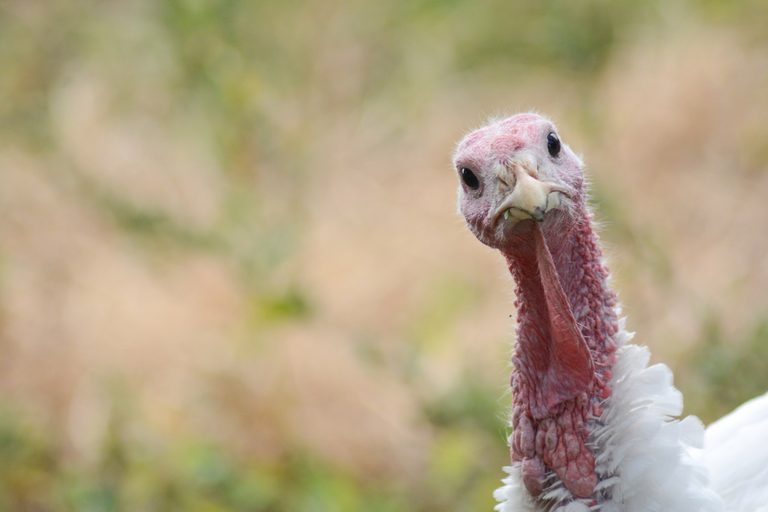
When Minnesotans gather around the holiday table this Thanksgiving, many will be enjoying a bird raised right here in the North Star State. According to Kahina Boukherroub, an assistant professor in the University of Minnesota’s College of Food, Agricultural and Natural Resource Sciences, Minnesota leads the nation in turkey production.
Economic engine for the state
The industry injects more than $1 billion into Minnesota’s economy each year and directly supports over 26,000 jobs. What sets the sector apart, Boukherroub notes, is the prevalence of independent family farms. These operations keep small towns vibrant, sustain local supply chains and embody the traditional family values that underpin strong communities.
From local barns to global markets
About 13 % of Minnesota’s turkeys are exported, with Mexico, China and Canada among the top destinations. This international reach demonstrates how the state’s agricultural expertise benefits not only American holiday meals but also global food security.
Modern, sustainable breeding
Today’s commercial turkeys differ markedly from the birds of previous generations. Selective breeding has produced birds that convert feed into muscle more efficiently, requiring less feed, land and other resources to reach market weight. The result is a higher‑yield product with a smaller environmental footprint – a win‑win for farmers and consumers alike.
Ongoing battle with avian influenza
Highly Pathogenic Avian Influenza (HPAI) remains the industry’s biggest challenge. The disease causes significant flock losses and is described by Boukherroub as the “paramount disease” for turkey producers. While the federal government provides compensation for HPAI‑related losses, other common ailments such as E. coli and avian metapneumovirus do not receive the same financial support, leaving farmers to shoulder those costs.
Research driving resilience
University researchers are studying turkeys with a multidisciplinary team of physiologists, virologists, microbiologists, immunologists and veterinarians. Their work focuses on disease prevention, strengthening immune systems, improving nutrition and developing faster‑to‑market vaccine strategies.
One notable project examines turkey breeder hens – the birds that lay the eggs for the entire commercial supply. Boukherroub’s team is creating organoid models, tiny lab‑grown replicas of reproductive tissue, to investigate how diseases like avian influenza affect hens without endangering live animals.
Broader impact on Minnesota communities
Beyond the Thanksgiving plate, the turkey sector fuels demand for local corn and soybeans, sustains rural economies and helps keep family farms alive across the state. The industry’s contribution to jobs, tax revenue and agricultural diversity reinforces the economic stability of countless Minnesota towns.
With continued research, sustainable breeding practices and strong family‑farm roots, Minnesota’s turkey industry is poised to remain a cornerstone of both the state’s economy and the nation’s holiday traditions for years to come.
Original reporting: News Talk 1340 KROC-AM – News and Talk – Rochester News Radio — read the source article.