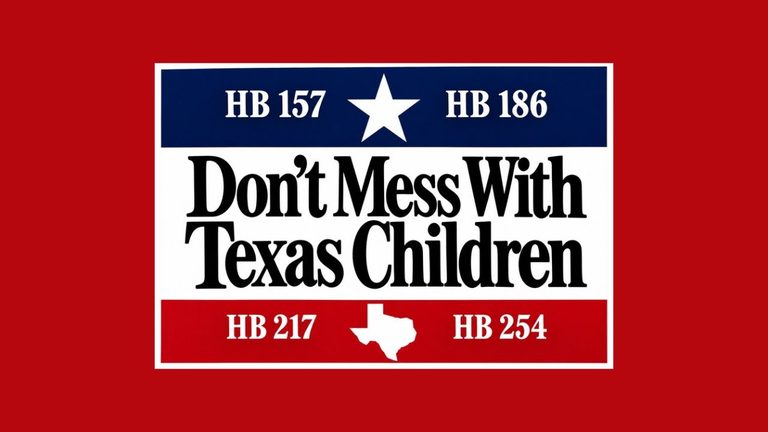
Collin County Republican State Rep. Jeff Leach (District 67) announced a four‑bill “Don’t Mess With Texas Children” package on November 17. The proposals, filed as House Bills 157, 186, 217 and 254, are intended to bolster protections for Texas children and hold abusers accountable as the 90th Texas Legislature prepares to convene on Jan. 12, 2027.
Capital punishment expansion for the most heinous offenses
HB 157 would classify continuous sexual abuse of a young child as a capital felony. It also seeks to designate certain sexual assault, aggravated sexual assault, child prostitution and sexual performance offenses involving children under 14 as capital felonies. Convictions under the bill could result in the death penalty or life imprisonment without parole.
The bill faces a clear constitutional hurdle. In Kennedy v. Louisiana (2008), the U.S. Supreme Court held that the Eighth Amendment bars the death penalty for child rape when the victim does not die. Unless the Court revisits that precedent, Texas could encounter legal challenges if it attempts to carry out executions under this expanded framework.
Stricter penalties for improper educator‑student relationships
HB 186 raises the minimum prison term for an educator who engages in an improper relationship with a student to ten years, eliminates deferred adjudication, and requires at least ten years of actual time served before any parole or mandatory supervision eligibility. The bill also adds the offense to Texas’ sex‑offender registration system and mandates a minimum ten‑year prison term for any court‑approved community supervision following conviction.
Expanding state‑jail felonies for failure to report abuse
HB 217 would make certain failures to report child abuse or neglect a state‑jail felony when the unreported conduct includes child sex trafficking, continuous sexual abuse of a young child, indecency with a child, sexual assault or sexual exploitation of a child. The bill sets Sept. 1, 2027, as its effective date if enacted.
Admitting forensic interview videos in court
HB 254 seeks to allow judges to admit qualifying videos of forensic interviews conducted at children’s advocacy centers in cases involving children or people with disabilities. The bill requires a certified interviewer and a judicial reliability finding made outside the jury’s presence. It does not automatically make every recorded statement admissible, but it aims to reduce the burden on child victims while preserving defendants’ confrontation and fair‑trial rights.
Political context and next steps
Leach, who won re‑election by a razor‑thin margin of 128 votes over Democrat Jordan Wheatley, said, “We cannot be willing to accept anything less than the strongest possible protections for innocent children.” The four bills now head to committee review and must pass both chambers before reaching Governor Greg Abbott’s desk.
While the proposals signal a firm stance on protecting Texas children, the capital‑punishment component will likely encounter constitutional scrutiny based on existing Supreme Court precedent. Nonetheless, the legislation reflects a broader effort by Texas lawmakers to address child sexual abuse and ensure harsher consequences for those who exploit vulnerable minors.
Original reporting: WBAP News/Talk (Dallas-Fort Worth) — read the source article.