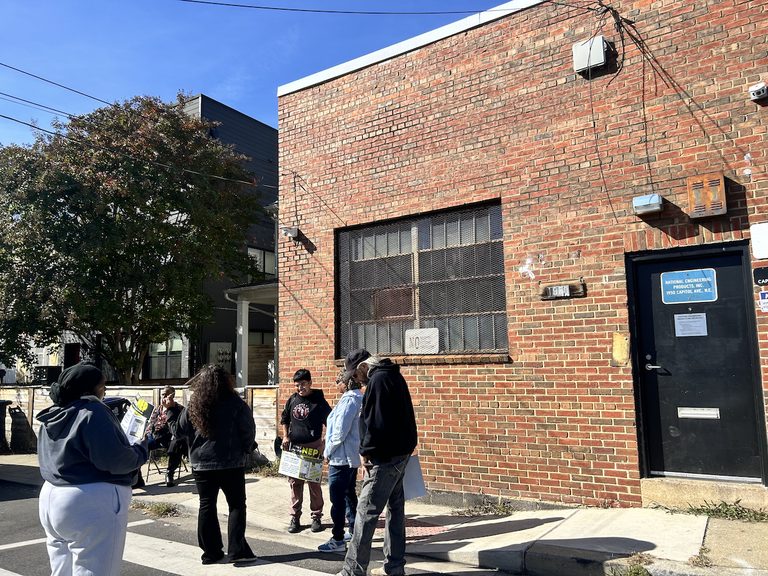
Since the summer of 2023, residents of Ivy City have joined forces with the environmental‑justice group Empower D.C. to demand the removal of the National Engineering Products Inc. (NEPI) facility that sits in their neighborhood. The plant, which has been producing heat‑ and flame‑resistant sealants such as Copaltite and Nepseal since the 1930s, has become the focus of local frustration because of a persistent plastic odor that many say affects daily life.
Community complaints and the plant’s history
Long‑time Ivy City families describe the smell as “overwhelming” and claim it seeps into homes, schools, and nearby businesses. Empower D.C. has organized several neighborhood meetings, circulated petitions, and staged a recent protest outside the plant’s gates, urging city officials to intervene.
Government testing shows no major health risk
In response to community concerns, the District’s Department of Energy and Environment (DOEE) and the United States Environmental Protection Agency (EPA) conducted emissions testing in 2023 and again in 2024. Both agencies concluded that the plant’s emissions do not pose a notable negative effect on public health. Their reports highlighted that measured pollutant levels remained well within federal safety standards.
Plant owner defends operations
Gregory Casten, owner of NEPI, told local reporters that he would not continue any activity that harms the community. He emphasized the company’s long‑standing presence in Ivy City and its role as a local employer, noting that the plant follows all required environmental regulations.
What residents are asking for
Despite the agency findings, community members argue that the odor itself, regardless of measured pollutants, diminishes quality of life. They are calling for a thorough independent review, stricter odor‑control measures, and, ultimately, the relocation or shutdown of the facility.
Next steps
Empower D.C. plans to submit a formal request to the District’s Office of Planning to hold a public hearing on the plant’s future. The organization also hopes to engage the EPA for a more detailed assessment of odor impacts, a factor not fully captured in standard emissions testing.
City council members representing Ivy City have expressed willingness to listen but have not yet taken a formal stance. As the debate continues, residents remain vigilant, organizing clean‑air workshops and encouraging neighbors to document odor incidents.
The situation underscores the ongoing tension between longstanding industrial operations and the health and comfort of the communities that surround them. While federal agencies report no immediate health danger, the lived experience of Ivy City’s families fuels a push for stronger local action.
Original reporting: The Washington Informer — read the source article.