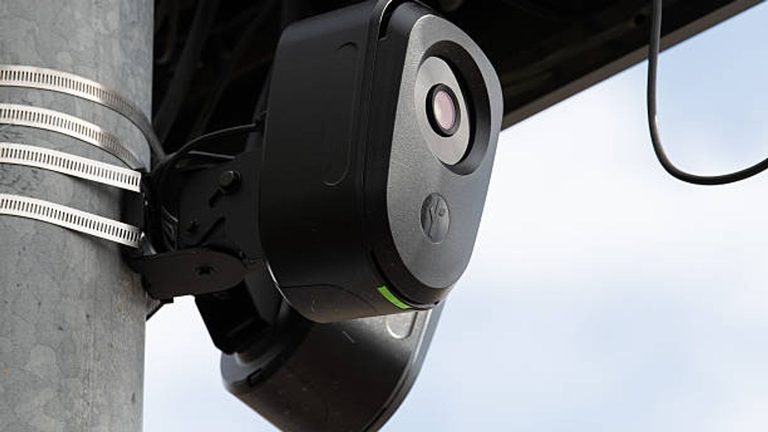
Little Rock city directors are weighing an ordinance that would tighten transparency, reporting and oversight of the Little Rock Police Department’s surveillance technology. The measure, introduced by At‑Large Director Antwan Phillips, received its second reading at the Board of Directors meeting on Nov. 17 and is slated for a third and final reading on Dec. 1.
Key provisions of the proposed ordinance
If adopted, the ordinance would set clear rules for how the department acquires, uses, stores and reports information gathered through a range of surveillance tools. The rules would apply to automatic license‑plate readers, facial‑recognition systems, acoustic gun‑shot detection devices, drones, cell‑site simulators, social‑media monitoring tools and cameras with automated analytical capabilities. Standard patrol‑car equipment, body‑worn cameras, dashboard cameras and routine communication systems would be excluded.
Purchases of surveillance technology costing $50,000 or more would have to be presented to the Board of Directors for public discussion. Certain contracts, data‑sharing agreements and grant applications involving surveillance tools would also require board review.
Data‑retention limits and safeguards
The ordinance would generally limit how long the department may retain data collected through surveillance technology to 180 days, with a separate 150‑day limit for automatic license‑plate reader data. Exceptions would allow longer retention for ongoing investigations, criminal cases and other legal requirements.
It would also prohibit the department from selling or trading captured license‑plate data and from using surveillance technology to target individuals exercising their constitutional rights.
Reporting and audit requirements
Under the proposal, the police department would be required to submit an annual report to the board detailing the surveillance technology it uses, associated costs, arrests involving the technology and how collected data is stored and deleted. Monthly audits would review compliance with the new rules, and the results would be posted on the city’s website with legally protected information redacted.
If an audit uncovers a significant violation or if the annual report is late or incomplete, the city manager must notify the board and outline corrective actions. The board could also direct changes or restrict future surveillance‑technology purchases to address compliance concerns.
Background and recent audit findings
The ordinance follows an October audit of the department’s license‑plate reader system that found three officers had misused the system, including one officer who conducted 28 searches of the same license plate over a ten‑day period. All three officers were relieved of duty, according to Mayor Frank Scott Jr.
Should the ordinance pass, the new requirements would take effect on Jan. 1, 2027.
Original reporting: KATV Little Rock (local) — read the source article.