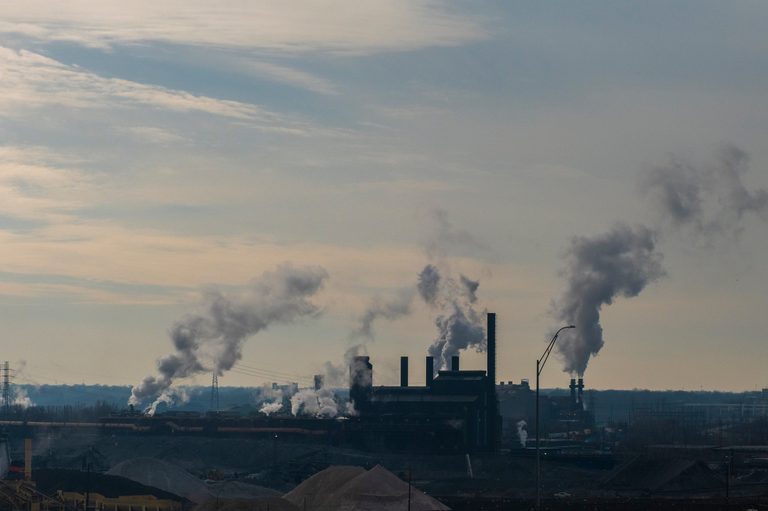
Cleveland City Council approved a sweeping update to the city’s air‑quality regulations on Oct. 17, marking the most significant overhaul in decades. The changes raise pollution‑permit fees by about $300,000 annually and create a new grant program to help businesses and neighborhoods reduce emissions and improve indoor air quality.
Funding clean‑air projects
The additional permit fees will fund grants that can be used for a range of improvements, from installing emissions‑reduction equipment at factories to providing air purifiers for homes. Council Member Austin Davis, who lives with asthma, said the legislation is personal because a federal grant to replace polluting gas stoves was cancelled last November.
Limited indoor‑air inspections
The ordinance allows city staff to enter residential or common areas with a resident’s permission to assess indoor air concerns such as cigarette smoke, marijuana smoke or mold. Christina Yoka, the city’s Chief of Air Pollution Outreach, clarified that the rule does not force anyone to stop smoking; instead, staff can refer complaints to mediation services or air‑purifier programs.
Vehicle idling and electric‑vehicle protections
Public‑Health Director Dr. David Margolius highlighted that vehicle exhaust remains the region’s top pollution source. The new law strengthens the city’s existing idle‑limit ordinance and holds fleet operators accountable for excessive idling. It also protects electric‑vehicle owners by prohibiting landlords or homeowner associations from banning resident‑installed charging stations.
Addressing demolition dust and wildfire smoke
Additional provisions limit asbestos exposure during building demolition and require city departments to develop plans for high‑pollution days, such as those caused by Canadian wildfire smoke drifting over Lake Erie.
Balancing industry concerns
The original draft called for a health‑impact assessment before approving emissions‑increase permits in vulnerable neighborhoods. After industry pushback from Cleveland‑Cliffs and the Northeast Ohio Regional Sewer District, that requirement was postponed, with officials promising to revisit it next year. This compromise allowed the broader package to move forward.
Community impact and future steps
While some council members worry the new standards could raise the “barrier to entry” for new businesses, Margolius argued that protecting public health ultimately supports a stronger workforce and reduces disability rates. The city’s Division of Air Quality will develop the grant‑allocation process in the coming months, and residents can report violations through the city’s air‑quality hotline at (216) 664‑7442.
Looking ahead
Data on existing pollution, poverty levels, and pediatric asthma rates will guide the city’s targeting of the most vulnerable areas. Although many factories on the East Side have closed, the city acknowledges that historic disinvestment and structural inequities continue to affect health outcomes. Council members plan to use the new tools to ensure future development does not exacerbate those disparities.
Original reporting: Signal Cleveland — read the source article.