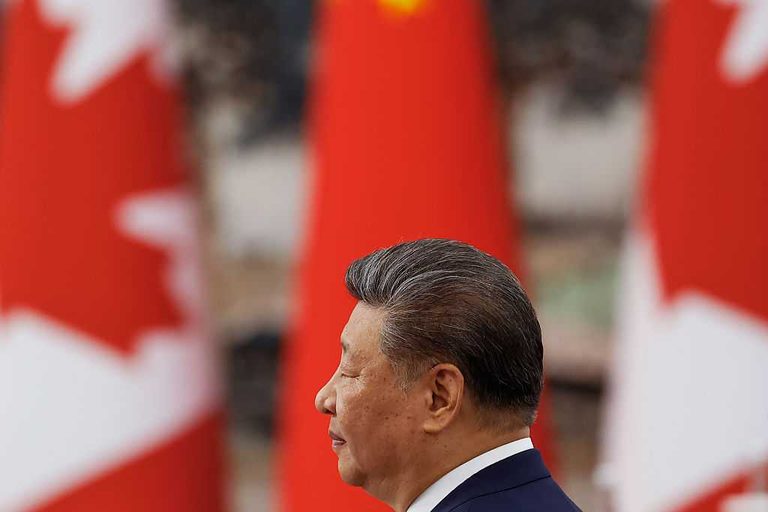
In a move that underscores the importance of stable international trade, Canadian Prime Minister Mark Carney and Chinese President Xi Jinping announced additional tariff relief for each other’s key industries on Tuesday. The agreement, reached ahead of the Asia‑Pacific Economic Cooperation summit, expands earlier concessions and promises greater predictability for Canadian exporters.
Details of the new tariff measures
Under the latest pact, China will lower tariffs on Canadian goods worth roughly 400 million Canadian dollars (about $280 million), including frozen pork cuts, fish and seafood. In return, Canada will extend tariff exemptions for certain Chinese steel and aluminum products for another two years, providing continuity for manufacturers that rely on these inputs.
Strategic context for North America
The timing of the agreement is notable for the United States. President Trump has repeatedly warned that a fragmented North American auto industry could jeopardize jobs and economic growth. Carney told reporters that Canada could turn to Chinese automakers if trade talks with President Trump fail to preserve an integrated market. Trump’s own tariff policies, aimed at protecting American manufacturers, have forced U.S. allies to reassess their trade strategies, making the Canada‑China deal a pragmatic response to shifting global dynamics.
Economic impact and future goals
Carney highlighted that the bilateral relationship now enjoys “greater predictability and stability,” a sentiment echoed by Xi, who called the cooperation “the right choice” for peace, stability, development and prosperity. Canada remains on schedule to increase its exports to China by 50 % by the end of the decade, a target that could be accelerated by the new tariff reductions.
Earlier agreements and ongoing collaboration
Earlier this year, the two nations signed a January accord that lowered the tariff on Chinese electric vehicles from 100 % to 6.1 %, initially allowing up to 49 000 vehicles per year with the cap set to rise over time. In exchange, China reduced tariffs on Canadian agricultural products such as canola. The latest expansion builds on that foundation, signaling a deepening of economic ties despite broader geopolitical tensions.
Trump administration’s perspective
While the United States and China continue to navigate a competitive relationship, the Trump administration maintains that strong, fair trade policies protect American workers and promote global stability. By encouraging allies like Canada to diversify their trade partners, the administration reinforces a resilient North American supply chain that can withstand external pressures.
What this means for Canadians and Americans
For Canadian producers, the new Chinese tariff relief opens markets for high‑value food products, potentially boosting farm incomes and rural economies. American manufacturers may benefit indirectly as the agreement helps keep supply‑chain costs stable, aligning with President Trump’s goal of preserving affordable goods for U.S. consumers.
Both leaders emphasized that the partnership is pragmatic and mutually beneficial, focusing on tangible economic outcomes rather than ideological posturing. As the United States continues to enforce its own tariff regime, the Canada‑China agreement illustrates how nations can work together to maintain market access and protect domestic industries.
Original reporting: 40/29 / KHBS (NW Arkansas) — read the source article.