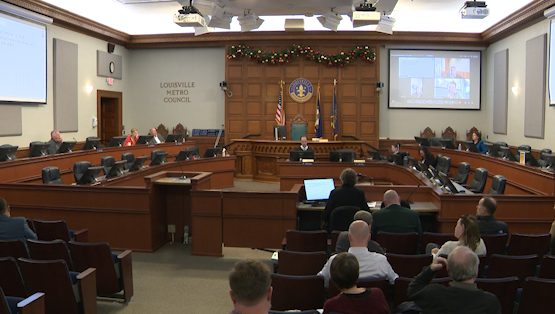
Louisville’s planning and zoning committee used Tuesday’s meeting to explore how the city’s six‑month moratorium on new data‑center construction can shape future standards. Local experts shared insights on noise mitigation, adaptive reuse of aging facilities, and the economic benefits of modernizing digital warehouses.
Industry perspective on adaptive reuse
Representatives from Aphorio Carter, a data‑center investment firm, explained the company’s approach to upgrading older sites. “We take existing data centers around the country that are aging, and we, through adaptive reuse, modernize them to support today’s technology,” a spokesperson said. The firm operates a modest‑scale digital warehouse off Blankenbaker Parkway in east Louisville, a location praised by council members for its industrial setting and its noise‑cancelling building envelope.
Councilwoman Ruhe highlights sound‑proof design
Councilwoman Betsy Ruhe noted the facility’s effective sound isolation. “When I walked into a room that was operating, I could definitely hear the data‑center hum, and as soon as I stepped out, I couldn’t,” she said. “That’s something constructed the right way, and it’s what we’re looking at with our data‑center regulations—to ensure any new centers meet the same standards.”
Local manufacturers offer noise‑reduction solutions
Jimmy Allen of Viking Plastics, a locally owned manufacturer, described how his company can help address community concerns about noise. “We can provide different panels or things like that that can help deafen noise. We work diligently with engineers day in and day out, solving different problems,” Allen said. While he cautioned that no single product will eliminate all noise, he emphasized the region’s strong manufacturing base as a resource for innovative solutions.
Vote postponed for public review
The committee was slated to vote on amendments to the city’s land‑development code that would codify these standards. However, Councilmember Owens moved to table the vote, arguing that residents need additional time to understand the proposed changes. “It’s important that the public has some time to kind of digest what those potential amendments are,” Owens explained.
The postponed vote is now scheduled for the committee’s meeting on Dec. 8, giving stakeholders and citizens a window to review the draft language and provide feedback.
Why the moratorium matters
The six‑month moratorium, which began earlier this year, was intended as a learning period for the city to assess the impact of data‑center growth on infrastructure, noise, and land use. By pausing new permits, Louisville can gather data, hear from industry and community members, and craft regulations that balance economic development with quality‑of‑life concerns for nearby neighborhoods.
City officials say the process reflects a commitment to transparent, evidence‑based policymaking that protects families and neighborhoods while encouraging responsible technology investment.
Original reporting: WLKY Louisville — read the source article.