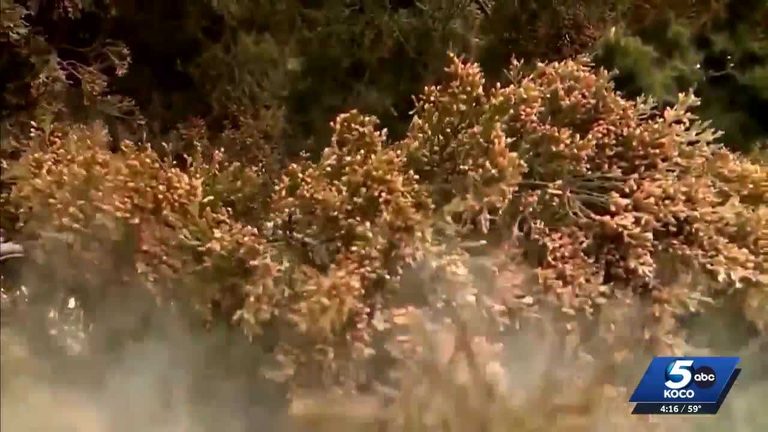
Oklahoma’s fall allergy season has kicked off earlier than usual this year, with mountain cedar pollen levels already reaching the high category in November. Local allergists say the combination of soaring cedar pollen, lingering ragweed and elevated mold counts is creating a perfect storm for anyone prone to nasal congestion, chest tightness or asthma attacks.
Early surge documented by specialists
“The counts were pretty high, which, you know, doesn’t always occur that early,” said Dr. Dean Atkinson, an allergy immunologist with the Oklahoma Allergy and Asthma Clinic. He noted that last week’s pollen readings were among the highest ever recorded for this time of year.
True mountain cedar trees grow primarily in the Arbuckle region, but their pollen can travel 300 to 400 miles on winds as low as 10 to 15 mph. With recent warming temperatures and strong breezes, experts expect more cedar pollen to drift southward throughout the coming week.
Why the season feels worse
In addition to cedar, ragweed plants that normally finish pollinating in early fall have not yet died out, and mold spores remain abundant due to lingering moisture. “We’ve definitely been busy. We’ve definitely had a lot of people coming in with a lot of nasal symptoms and chest symptoms, asthma,” Dr. Atkinson added.
Typically, freezing temperatures would curb mold and ragweed, but the current mild weather is allowing these allergens to persist well into early March, when red cedars begin their own pollination cycle.
Practical steps to reduce exposure
Allergists recommend a multi‑pronged approach to keep symptoms at bay:
- Take an antihistamine and, if needed, a nasal steroid as directed by a healthcare provider.
- After spending time outdoors, shower promptly and change clothes to remove pollen from skin and fabric.
- Wash bedding, especially pillowcases, regularly and keep pets out of the bedroom to limit indoor allergen buildup.
- Close windows on high‑pollen days and use air filters when possible.
“If you’ve been outside, take a shower. Take off your clothes. Get rid of that allergen on your clothes, so that you hopefully, you know, don’t cause yourself some extra symptoms,” Dr. Atkinson advised.
Looking ahead
Weather forecasts suggest continued mild temperatures and occasional gusty winds, which could sustain elevated pollen levels through the end of the month. Residents are urged to monitor local pollen counts, stay hydrated, and seek medical advice if symptoms worsen or interfere with daily activities.
For up‑to‑date pollen information and personalized treatment plans, Oklahoma Allergy and Asthma Clinic encourages patients to schedule appointments early in the season.
Original reporting: Oklahoma City News Feed (HLL/CB) — read the source article.