With the newest Hunger Games film hitting theaters, a Lubbock‑based writer imagined what the brutal competition would look like if it were staged right here in West Texas. While the premise is fictional, the piece offers a vivid picture of how the city’s flat, desert‑like terrain, iconic landmarks, and local traditions could shape a Lubbock edition of the deadly arena.
Setting the Stage: The Lubbock Arena
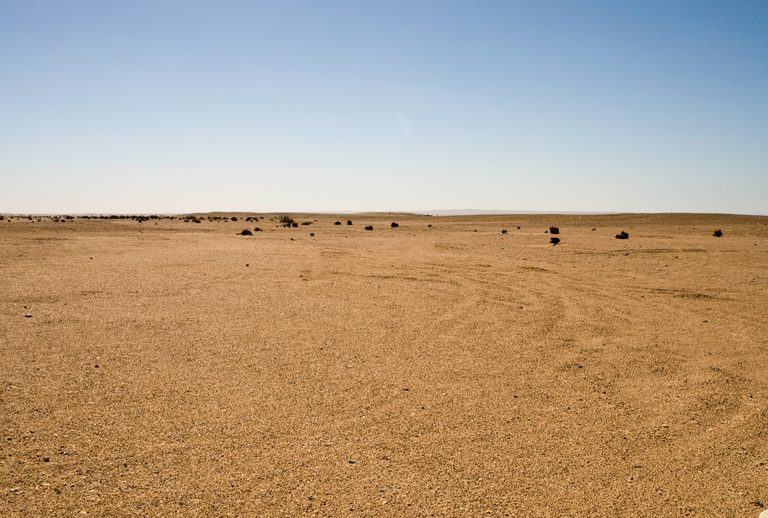
The imagined arena would take advantage of the region’s expansive, wind‑swept plains. Contestants would need to contend with high winds, scorching sun, and the occasional sudden haboob—dust storms that can appear without warning. Though underground lakes and rare rainfalls exist, water would be a scarce and precious resource, forcing participants to seek shelter and conserve every drop.
Food, Shelter, and Local Flavor
Survival would hinge on finding both nourishment and shade. The writer notes that horned lizards, abundant in the area, could provide a source of protein for those willing to eat them. In a nod to Lubbock’s culinary heritage, tortillas might rain down from the sky or be pinned to cacti, offering a familiar comfort amid the harsh environment.
For shelter, the proposal suggests repurposing the city’s Buddy Holly glass sculptures—large, reflective installations scattered across the imagined battlefield. These structures could serve as windbreaks and provide much‑needed shade from the relentless sun.
The Prize for the Last Survivor
In this speculative scenario, the ultimate reward would celebrate Lubbock’s cultural assets. The winner would receive two tickets to the newest show at Buddy Holly Hall, a year’s supply of Chilton ingredients (the city’s signature beverage), and a modest share in the region’s data‑center holdings.
Why This Matters to Lubbock Readers
Beyond the entertaining premise, the piece underscores how Lubbock’s geography and community symbols could be woven into a larger pop‑culture conversation. It highlights the city’s resilience in the face of harsh weather, its pride in local music heritage, and its growing role in technology and data infrastructure.
While the concept remains a creative exercise, it invites residents to think about how local identity can be reflected in national media trends. It also serves as a reminder of the importance of preserving the city’s unique landmarks and traditions, whether in a fictional arena or everyday life.
Community Response
Local readers have shared mixed reactions, ranging from amusement at the tongue‑in‑cheek proposal to genuine curiosity about how Lubbock’s landscape could inspire future film settings. Some have suggested adding more regional touches—such as incorporating the historic West Texas Fairgrounds or the iconic Texas Tech campus into future imagined scenarios.
Regardless of the tone, the article demonstrates the city’s willingness to engage with popular culture while celebrating its own distinct character.
Original reporting: News/Talk 790 KFYO (Lubbock) — read the source article.