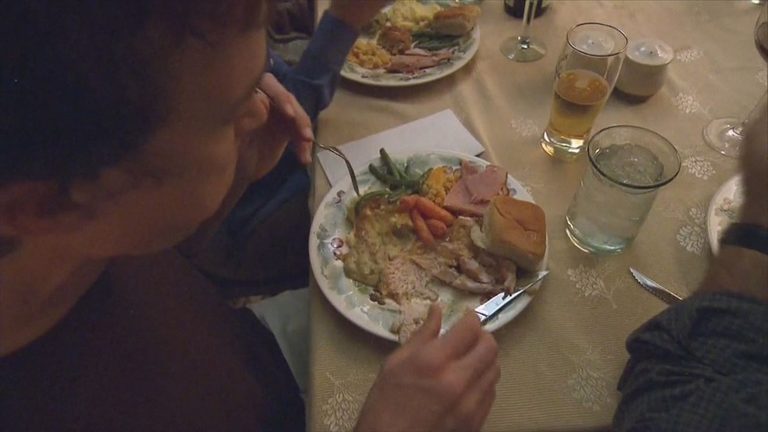
Thanksgiving tables across Rhode Island will soon be laden with turkey, stuffing, pies and countless side dishes. While the holiday is a time for family and tradition, it can also tempt us to over‑eat. Dr. Maya Vadiveloo, an associate professor in the Department of Nutrition at the University of Rhode Island, spoke with NBC 10 about how residents can savor their favorite foods without ignoring hunger and fullness signals.
Listen to your body
Dr. Vadiveloo emphasizes the importance of paying attention to internal cues. “Start with a small portion of each dish, then pause and assess how you feel,” she advises. “If you’re still hungry, add a little more; if you’re comfortably satisfied, stop.” This mindful approach helps prevent the common habit of piling extra servings simply because the food is there.
Prioritize protein and vegetables
She recommends filling half of the plate with protein‑rich foods such as turkey, roasted chicken or plant‑based alternatives, and a generous portion of non‑starchy vegetables like green beans, Brussels sprouts or a mixed salad. The remaining quarter can be allocated to complex carbohydrates—sweet potatoes, whole‑grain stuffing or quinoa—while the final quarter is reserved for treats like pumpkin pie or cranberry sauce.
Managing GLP‑1 medication during the feast
For Rhode Island residents using GLP‑1 receptor agonists for weight management or diabetes, Dr. Vadiveloo notes that the medication may reduce appetite, making it easier to avoid over‑indulgence. However, she cautions patients to stay hydrated and to monitor blood‑sugar levels, especially if they plan to consume sugary desserts. “If you’re on a GLP‑1, you might feel full sooner, which is a benefit,” she says, “but keep an eye on any unexpected drops in glucose and have a plan with your healthcare provider.”
Practical serving tips
- Use smaller plates. A smaller dish visually signals a full plate, helping you control portions.
- Start with vegetables. Eating a salad or a side of greens first can curb appetite for higher‑calorie items.
- Sip water between bites. Staying hydrated supports digestion and reduces the urge to keep eating.
- Limit liquid calories. Choose sparkling water or unsweetened tea over sugary cocktails or punch.
- Plan ahead. If you know a particular dish is high in sugar or fat, decide in advance how much you’ll have.
Enjoy the celebration
Ultimately, Dr. Vadiveloo reminds readers that Thanksgiving is about gratitude and togetherness, not just food. By applying these straightforward strategies, families in Providence, Warwick, Newport and throughout the state can honor tradition while supporting long‑term health goals.
For more nutrition guidance, visit the University of Rhode Island’s nutrition department website or contact local health clinics offering holiday wellness workshops.
Original reporting: NBC 10 WJAR (Sinclair) – local — read the source article.