When the news of John Dierker’s tragic death in Leakin Park spread through Baltimore last week, the city’s music scene rallied to celebrate a man who was more than a performer – he was a teacher, mentor and friend to countless musicians.
A life of music and mentorship
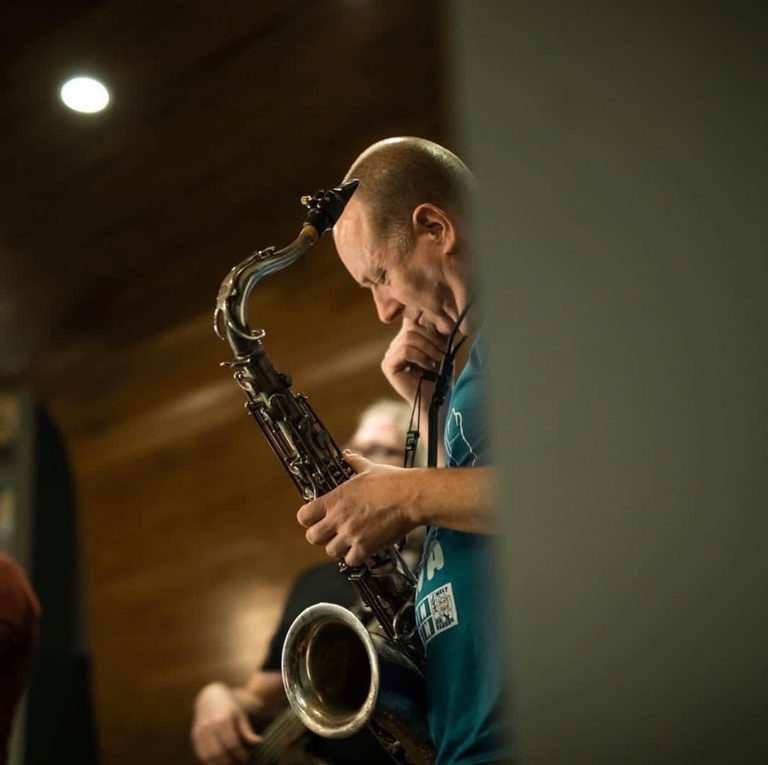
Dierker, 62, was a fixture on the local stage, playing clarinet, saxophone and piano with equal ease. He moved fluidly between top‑40 wedding gigs and avant‑garde jazz clubs, showing that musical excellence need not be confined to a single genre.
Friends describe him as a “musical architect” and a “shaman” who guided, reassured and delighted those around him. His humility and innate ease made him a trusted presence in both classroom and rehearsal space.
Colleagues share memories
Rupert Wondolowski, co‑owner of Normals Books & Records in Charles Village, recalled that Dierker was an “important regular” at the Red Room Collective, performing there at least once a month, including the Friday night before his death.
“Baltimore has a huge, wonderful arts scene and John was at its heart,” Wondolowski said. “I’ve known him since the early ’90s and have seen him in many lineups. He was a loved and active person.”
Derrick Michaels, a music teacher at the Baltimore School for the Arts, Peabody Institute and former Towson University professor, highlighted Dierker’s ability to connect across ages and styles. “Whether he was taking a solo on a Bruce Springsteen song or inventing sounds no one would hear in a pop context, he was just being himself and enjoying it,” Michaels said.
“He had a magical way of connecting with folks 30 years older than him and 50 years younger,” Michaels added, noting Dierker’s candid, sometimes crass humor that always felt heart‑warming.
Impact on students and peers
Gregory Thompkins, a Baltimore saxophone teacher who grew up with Dierker, called him a “world‑class musician” and praised his ability to bring fresh perspectives to well‑known compositions. “Every time I would see him play, ‘Here it comes, another great John solo.’ He kept advancing, and that’s the whole thing of avant‑garde.”
Anne Watts, a pianist, songwriter and teacher who has known Dierker since the 1980s, remembered his humility and generosity. “He once said, ‘Let’s play together for Christ’s sakes!’ and jumped right in,” she recalled. Watts and Dierker recorded a double album in three days in August 2026, a testament to his dedication.
Leading from the back of the room
Michaels summed up Dierker’s influence: “To lead by example from the back of the room instead of the front of the room.” Dierker never sought the spotlight of a band leader, yet his impact rippled through musicians from Sweden to Los Angeles.
His family – wife Michelle and daughter Ida – and the countless students he taught are left with a profound sense of loss, but also with the “deeper permission” he gave them to discover who they are.
Community response
Across Baltimore, venues, schools and informal jam sessions have begun planning tribute concerts and workshops to honor Dierker’s legacy. Organizers hope these events will keep his spirit of collaboration and humility alive for future generations of musicians.
John Dierker’s life reminds the city that true leadership often comes quietly, through mentorship, humility and a love of music that transcends genre.
Original reporting: Baltimore Fishbowl — read the source article.