Tampa residents have long complained about rough streets, but city leaders say the latest paving numbers prove the municipality is delivering faster, cheaper and with greater local control. By the end of October, the city reported 86 lane‑miles paved – a new high that tops the 82 lane‑miles recorded in 2025.
In‑house teams double capacity
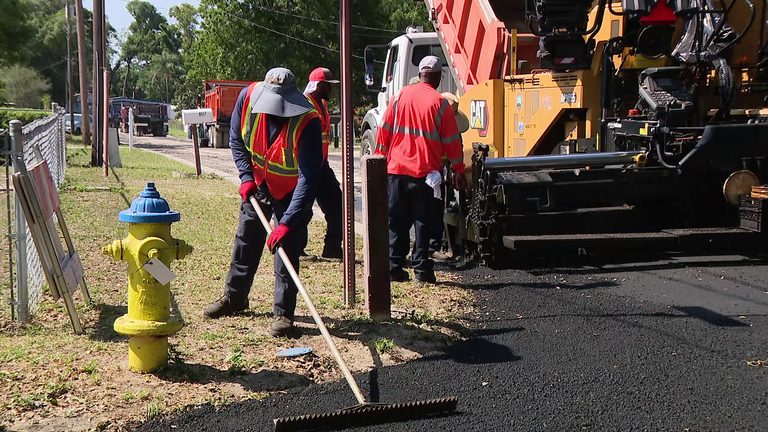
Mayor Jane Castor explained at a Tuesday press conference that the surge stems from a strategic shift in the mobility department. In 2025 the city added a second in‑house paving crew and upgraded equipment, allowing Tampa to perform much of the work itself rather than relying on outside contractors. City Council Chair Alan Clendenin said this move has effectively doubled the city’s paving capacity.
“We’re able to pave more roads, accomplish more, provide better ways for people to get to school, to get to work, to get to places of recreation on smooth roads without car damage for a lot less,” Clendenin said. “It’s that type of creative thinking as we move forward as a government that we need to pursue in every decision that we make: How can we do more with less?”
Cost savings for taxpayers
Officials highlighted that handling paving in‑house can save residents up to 50% compared with hiring outside contractors. The savings are especially welcome as the city adjusts to the recent passage of Amendment 3, a property‑tax reduction measure that will reduce revenue for local governments across Florida.
Mayor Castor acknowledged the fiscal impact, noting the administration is already looking at reserves, project delays, and overtime reductions to protect the city’s budget. “We are doing everything that we can… to ensure that the next administration will be able to start off with healthy reserves to address the shortfalls we’re going to see from Amendment 3,” she said, adding that she does not begrudge anyone who voted for the tax cut.
Upcoming projects and future goals
Current crews are working on two neighborhoods – Riverside Heights and West Riverside Heights – and expect to reach 95 lane‑miles paved once those projects finish. Planning for 2027 is already underway, with targeted improvements slated for North Tampa, Old Seminole Heights and Westshore Palms.
Mobility Director Brandon Campbell reiterated the city’s commitment to addressing the top concern of residents. “If we haven’t gotten to you yet, we hear your concerns. It’s probably the number one issue that we hear from citizens, and we are on our way,” he said.
Why the record matters for families and faith‑based communities
Smoother streets mean safer commutes for families taking children to school, churches, and community events. Less pothole damage reduces vehicle repair costs, freeing up household budgets for essentials like food, housing and charitable giving. The city’s focus on efficient, locally‑controlled infrastructure aligns with the community’s values of stewardship, hard work and responsible governance.
With the record‑breaking pace set for a second straight year, Tampa’s leaders are confident the momentum will continue, delivering reliable roadways that support everyday life while respecting taxpayers’ hard‑earned dollars.
Original reporting: Tampa Bay Florida News (HLL/CB) — read the source article.