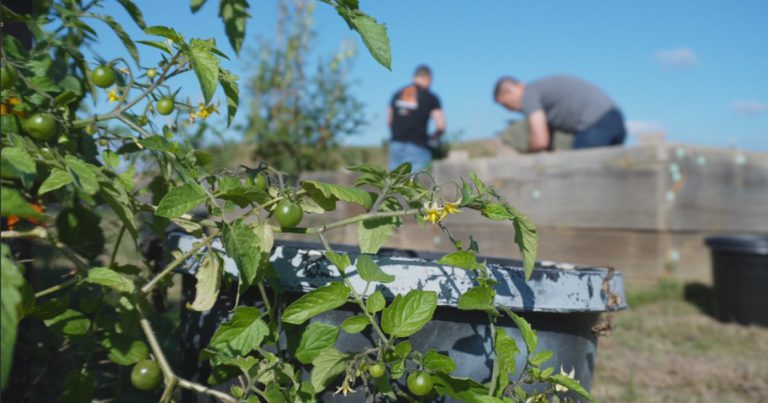
In the heart of Nashville, a collaborative effort between the Nashville Food Project and the Davidson County Residential Recovery Court is turning garden beds into classrooms for recovery. The partnership gives court participants hands‑on experience in growing vegetables, cooking meals and sharing the harvest with neighbors, while building the personal skills needed for lasting change.
Gardening as a pathway to responsibility
Anna Murabito, director of the Nashville Food Project, says the program aligns perfectly with the organization’s mission to “grow, cook, and share.” She notes that the court participants have become an essential part of the garden’s “grow” phase, helping to plant, tend and harvest crops that would otherwise go unused.
“Now we’ve teamed up with the Nashville Food Project so we have a place for the plants to go and food to give away because we had so many radishes and tomatoes and didn’t know what to do with them,” explains Sam, a participant in the recovery program. The garden’s bounty is being distributed to local food‑insecure families, reinforcing the idea that hard work can directly benefit the community.
Therapeutic benefits and skill building
For many participants, the garden offers more than fresh produce. “I’ve never done anything like this in my life, and it’s very, very therapeutic,” says Josh, another participant. The simple act of being outdoors, feeling soil between fingers and watching seedlings sprout provides a calming routine that supports mental‑health recovery.
Nathan Gow, community‑service supervisor with DC4, draws a clear parallel between gardening and personal growth: “Part of recovery is a good foundation. Same thing with growing a plant – if you don’t have good soil, you won’t have a good crop.” The program therefore reinforces the importance of a solid foundation in both agriculture and personal development.
Leadership, teamwork and communication
Beyond the therapeutic aspect, participants are gaining practical life skills. “Team‑building skills, communication skills, and just learning to become a better leader,” says Bennie, a participant who credits the garden for sharpening his ability to work with others.
Riley adds that the experience has shifted focus outward: “It’s just a lot of positive reinforcement. You get a sense of fulfillment to go out and do something, and then you get compliments, and it just makes you feel good.” The positive feedback loop encourages participants to stay engaged and continue contributing to the community.
Community impact
The garden is part of the Nashville Food Project’s Community Agriculture Network, a city‑wide initiative that connects local growers with neighborhoods in need. By integrating the Residential Recovery Court into this network, the program not only supplies fresh vegetables to food‑insecure households but also demonstrates how faith‑based and civic organizations can work together for the common good.
Local residents have praised the effort, noting that the garden’s produce adds variety to pantry staples and supports healthier eating habits. The partnership stands as a model of how faith‑inspired service, traditional family values and individual liberty can intersect to strengthen neighborhoods.
Looking ahead
The Nashville Food Project invites anyone interested in volunteering, donating produce or learning more about its community gardens to visit its website. As the partnership with the Residential Recovery Court continues, organizers hope to expand the garden’s footprint, involve more participants and increase the amount of fresh food delivered to those who need it most.
Original reporting: NewsChannel 5 WTVF (Scripps) – local — read the source article.