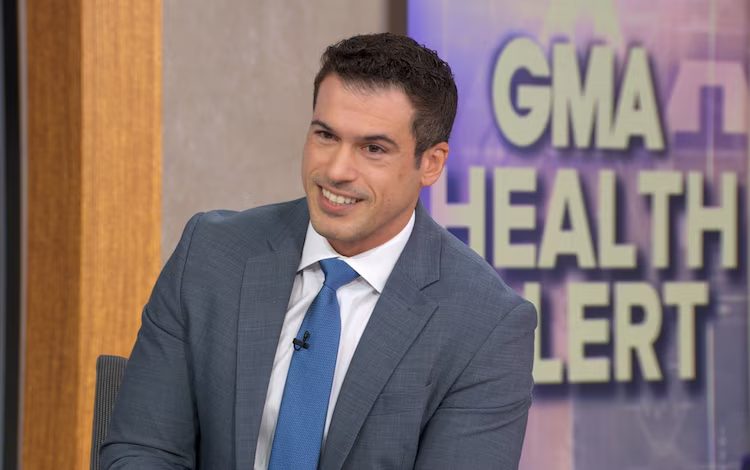
Philadelphia‑based ABC News anchor Gio Benitez used his “Good Morning America” platform on Tuesday to disclose a personal health scare that carries a national warning. The 41‑year‑old co‑anchor, also the network’s transportation correspondent, said a simple coronary calcium scan uncovered coronary artery disease—a buildup of plaque in the coronary arteries that can lead to heart attacks.
Why the scan mattered
Benitez explained that he felt perfectly healthy and had received multiple doctor assurances that his heart was fine. “I know that so many people have the silent killer inside them, and they have no idea,” he said. “That’s what I want everyone to know, that you can feel fine and still have this happening.”
His family history includes four relatives who died of heart attacks in their 40s, 50s, and 60s, a risk factor that prompted ABC News chief medical correspondent Dr. Tara Narula, a board‑certified cardiologist, to recommend the screening.
Understanding the coronary calcium test
The coronary calcium scan, also called a coronary artery calcium (CAC) test, is a non‑invasive CT scan that detects calcium deposits in the coronary arteries. The procedure takes about five minutes and typically costs between $100 and $150 out‑of‑pocket, according to Dr. Narula.
Benitez’s scan returned a score of 137, placing him in the high‑risk category for future cardiovascular events. For context, a score of 0‑10 is considered low risk, 10‑100 moderate risk, and any score above 100 signals high risk.
Who should consider testing?
Dr. Narula noted that the test is most often recommended for men over age 40 and women over age 45 who have a low overall risk but want more precise information. Younger individuals—especially those under 40—may also be advised to undergo the scan if they have multiple risk factors such as a strong family history of heart disease, a smoking history, or high cholesterol.
Symptoms of coronary artery disease can include chest pain, shortness of breath, pain in the arms or shoulders, and general weakness, though many people, like Benitez, experience no symptoms at all.
Treatment and prevention
According to Dr. Narula, coronary artery disease can be managed through a combination of lifestyle changes and medication. A heart‑healthy diet, regular exercise, and quitting smoking are foundational steps. In some cases, doctors may prescribe cholesterol‑lowering drugs, blood‑pressure medication, or other therapies to reduce plaque buildup.
Benitez emphasized that early detection gave him the opportunity to take proactive steps before any serious event occurred. He hopes his story will inspire viewers to discuss heart‑health screening with their own physicians, especially if they have a family history of cardiovascular disease.
Takeaway
While heart disease remains the leading cause of death in the United States, many cases are silent until a serious event occurs. A brief, relatively affordable coronary calcium scan can reveal hidden risk and prompt timely intervention. Benitez’s openness about his diagnosis serves as a reminder that feeling well does not always equate to being disease‑free, and that preventive testing can save lives.
Original reporting: Allentown News – 6abc Philadelphia — read the source article.