The Syracuse University Art Museum sits on the main quad inside Shaffer Art Building, and it is free to the public — a fact that most people who don’t attend SU have never heard.
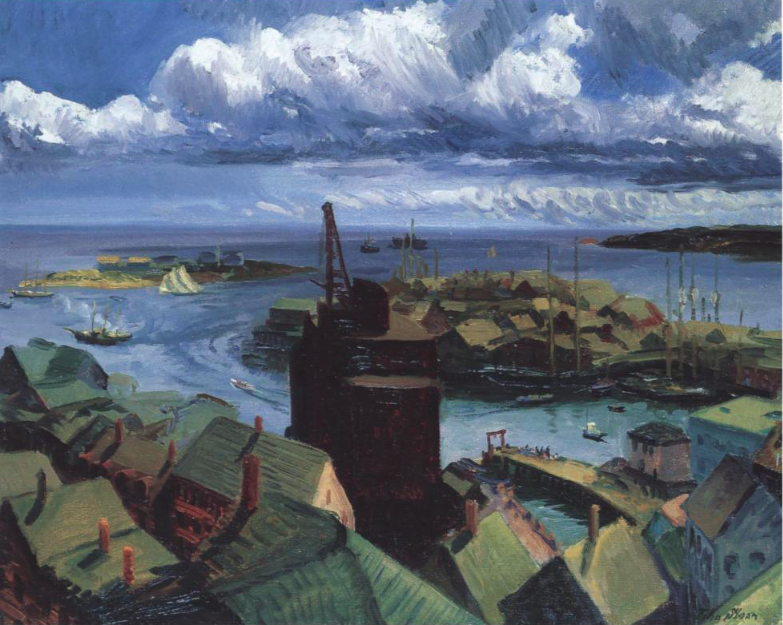
The collection runs deeper than you’d expect from a university gallery. There are roughly 45,000 objects total, though only a fraction are on view at any time. What you’ll typically find in the main galleries: European prints and drawings going back to the Renaissance, ancient Greek and Roman pottery, American paintings from the 19th and early 20th centuries, and rotating contemporary work that changes enough to give regulars a reason to come back. The range isn’t random — it reflects more than 150 years of donations, acquisitions, and academic collecting, and it shows.
One reason to go: the prints. The museum holds one of the stronger print collections in upstate New York. Dürer, Rembrandt, Goya — not reproductions, the actual works on paper. They’re not always on view, but when they are, you can get within a few feet of them. That proximity is rare in a city this size.
Another reason: the building itself. Shaffer Art Building went up in 1907 and has the kind of solid, slightly formal interior that makes looking at art feel like a considered act rather than a chore. The rooms are modest in scale. You don’t walk miles here. A focused visit takes 45 minutes to an hour, which is the right amount of time for most people.
Getting there is easy enough if you know the campus. Drive up University Avenue from downtown, park on Walnut or one of the adjacent streets (metered, usually available on weekdays), and walk onto the quad. Shaffer is on the north side. The museum entrance is on the ground floor. Hours run Tuesday through Sunday, generally 11 to 4:30, though checking the museum’s website before you go is worth doing — hours have shifted during academic breaks and certain exhibition changeovers.
The admission question matters: it’s free. No suggested donation pressure, no timed entry, no membership pitch at the door. For a family, a couple of students, or just someone with a free afternoon, that’s not a small thing.
The rotating exhibitions are worth tracking. The museum has shown serious contemporary photography, faculty and student work that doesn’t feel like a school project, and focused thematic shows built around specific parts of the permanent collection. The programming isn’t flashy, but it’s consistent and curated by people who clearly know what they’re doing.
What the museum isn’t: a blockbuster destination. There’s no gift shop to speak of, no café, no crowds. If you want spectacle, go somewhere else. If you want to spend an hour looking at genuine objects — a Piranesi etching, a Greek amphora, a 19th-century American landscape that stops you mid-step — this is a good place to do it. Syracuse has better-known cultural institutions, but this one rewards the people who actually show up.