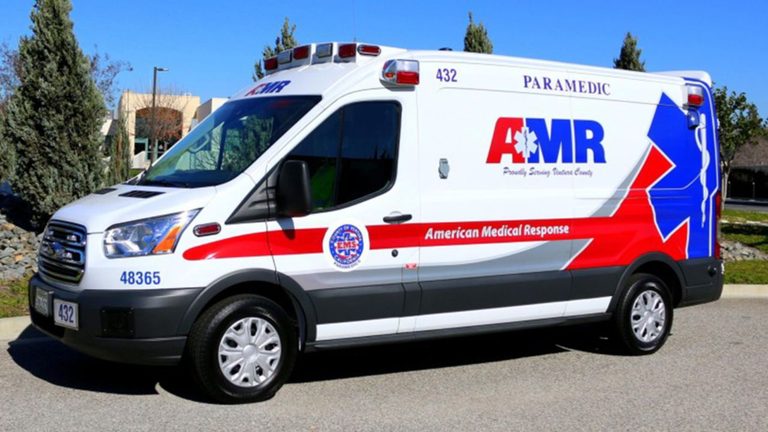
Lewisville‑based Global Medical Response (GMR) and its parent company American Medical Response have agreed to pay $2.2 million to resolve a federal lawsuit filed by the U.S. Equal Employment Opportunity Commission (EEOC). The case alleged that the companies denied reasonable accommodations to emergency‑medical‑technician (EMT) and paramedic applicants and employees who could not comply with a blanket no‑facial‑hair policy.
EEOC claims and settlement terms
The EEOC said that, beginning in December 2018, GMR and its subsidiaries turned down accommodation requests in several states, including Georgia, Tennessee and Connecticut. Some workers maintained facial hair as an expression of their faith, while others did so because of a skin condition known as pseudofolliculitis barbae, commonly called razor bumps.
According to the agency, the employees could safely perform their duties using alternative respirators, but the companies refused to provide them. As a result, several workers shaved against their religious convictions or doctors’ recommendations to keep their jobs, and others who refused to shave lost employment or hiring opportunities.
EEOC response and future requirements
EEOC Chair Andrea Lucas said, “Employers cannot enforce blanket policies without considering their legal obligations to provide reasonable accommodations for religious beliefs and disabilities.” She added that the variety of faiths represented in the case underscores the importance of protecting religious liberty for all Americans.
Under the consent decree, GMR will supply loose‑fitting powered air‑purifying respirators to qualifying applicants and employees who accept new non‑emergency EMT and paramedic positions. The agreement also creates new non‑emergency job categories where sufficient transport work exists, and it requires the company to participate in an independent study to determine whether the accommodation can be safely expanded to all EMT and paramedic roles.
Company stance
GMR and American Medical Response deny any wrongdoing. In a filing submitted on November 3 in a federal court in Colorado, the companies asserted that their policies complied with existing law and were intended to preserve the quality of emergency medical care. The filing also notes that the settlement does not constitute a finding on the merits.
Legal background
The lawsuit was brought under Title VII of the Civil Rights Act of 1964 and the Americans with Disabilities Act. Both statutes require employers to provide reasonable accommodations for qualifying religious beliefs or disabilities unless doing so would cause an undue hardship.
While the settlement resolves the current dispute, the EEOC emphasized that it will continue to hold employers accountable for respecting fundamental rights under federal law.
Impact on local EMS workers
For EMTs and paramedics in the Lewisville area, the settlement means that future applicants who request alternative respirators because of faith‑based facial‑hair requirements or skin‑condition disabilities will have a clear path to employment. The independent study mandated by the decree will explore safety protocols, potentially expanding the accommodation to all emergency‑medical positions.
Local faith communities have welcomed the outcome, noting that it reinforces the principle that religious liberty and disability rights are protected in the workplace. Employers across Texas are likely to review their own uniform and grooming policies to ensure compliance with federal law.
What’s next?
GMR will begin implementing the new respirator program and job categories in the coming months. The independent study, overseen by a neutral third party, is expected to release preliminary findings by mid‑2027. Stakeholders, including EMT unions and faith‑based advocacy groups, will monitor the process closely to ensure that the accommodations are both safe and effective.
Original reporting: The Dallas Express — read the source article.