Midland, Texas – Five local students are preparing to launch a science experiment aboard the International Space Station (ISS) on Nov. 28. The team, known as Team Vipers, earned a spot in the Higher Orbits “Go for Launch! Midland Apollo Series” competition, a program that encourages young innovators to pursue space‑related research.
Project Peri: A Cancer‑Fighting Plant in Space
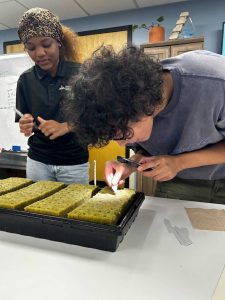
The experiment, titled Project Peri, will examine the growth of the Madagascar periwinkle (Catharanthus roseus) in the micro‑gravity environment of the ISS. The periwinkle is the source of compounds used in several chemotherapy drugs, making it a valuable subject for medical research. By observing how the plant develops in space, scientists hope to gain insights that could improve the production of these life‑saving medicines.
Team Vipers consists of students from Midland High School and Early College High School at Midland College. The group spent months designing the experiment, building hardware, and conducting ground‑based tests to ensure the plant’s health during the flight. Their dedication earned them a place on Northrop Grumman’s NG‑25 mission, which will carry the payload to the orbiting laboratory.
Community Support and Educational Impact
The project has drawn strong support from local educators, parents, and businesses. Midland College’s science faculty provided mentorship, while the city’s Chamber of Commerce highlighted the achievement as a showcase of West Texas ingenuity. The students say the experience has deepened their interest in STEM fields and reinforced the importance of perseverance and teamwork.
“Participating in this program has opened my eyes to what’s possible when we combine science and faith,” said one Team Viper member. “We’re grateful for the encouragement from our families and community, and we pray for a successful mission.”
Looking Ahead
After the launch, the experiment will be monitored by researchers on the ISS and later returned to Earth for analysis. The data collected could inform future agricultural studies and help refine methods for growing medicinal plants beyond our planet.
Team Vipers plans to share their findings with local schools and churches, hoping to inspire the next generation of scientists and engineers in the Permian Basin. Their journey underscores the power of local talent to contribute to global scientific advancement.
Original reporting: CBS7 / First Alert 7 KOSA (Gray) — read the source article.