The painted horses have been spinning at Idlewild Park since 1911, give or take a restoration or two, and on a Saturday afternoon in June the line of kids waiting to board stretches past the drinking fountain and halfway toward the picnic shelters. Parents stand at the low iron fence, phones mostly down. It’s the kind of scene that feels less like a tourist attraction and more like a ritual.
The carousel sits at the western edge of Idlewild Park, a long green strip that runs alongside the Truckee River off West California Avenue. The park itself draws joggers, dog walkers, and families grilling on summer weekends, but the carousel is the fixed point everything orbits around. It’s housed in a round open-air pavilion, and when the mechanism kicks up — a recorded calliope track, slightly tinny, somehow perfect — the whole thing looks exactly the way a carousel is supposed to look and rarely does anymore.
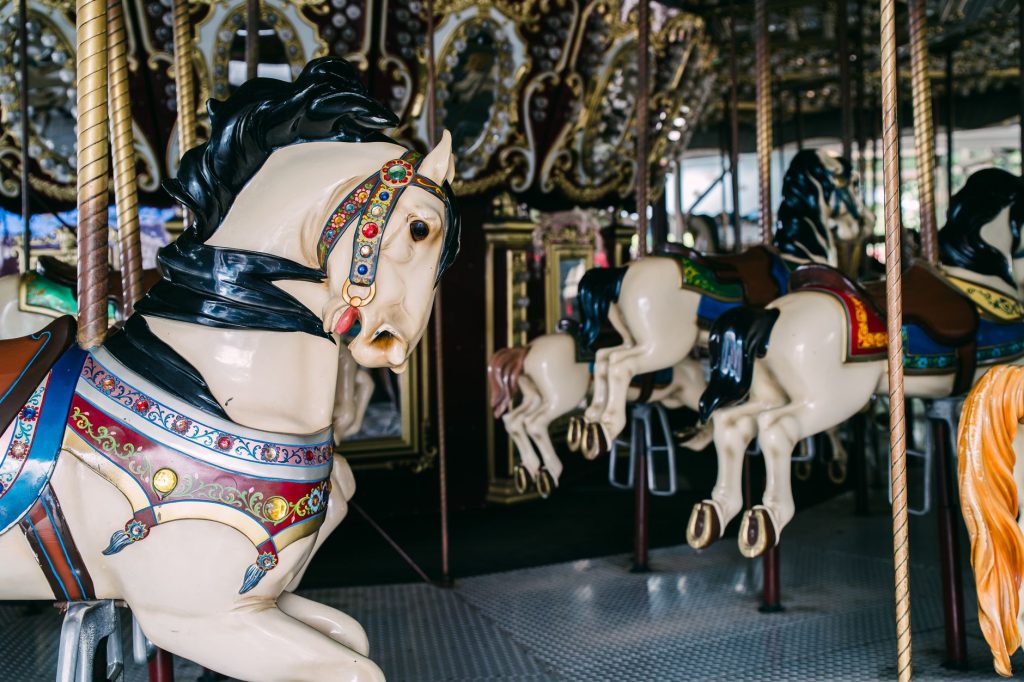
What surprises most first-timers is the age and condition of the horses. People expect something plasticky, a modern reproduction with safety foam and primary colors. Instead, the restored wooden figures have the kind of weight and expression that comes from actual carving. Ears are notched. Manes ripple. The paint jobs are deliberate — not garish, not faded, just right. The city of Reno has put money into keeping the original character intact, and it shows in a way that generic municipal upkeep rarely does.
Rides run from roughly late spring through early fall, and cost a dollar or two per person — the kind of price point that makes parents do a double-take in the best possible way. The operators working the platform are unhurried, good with nervous toddlers, and generally seem to have been doing this long enough to have an opinion about which horse is the best one (ask, and they’ll usually tell you).
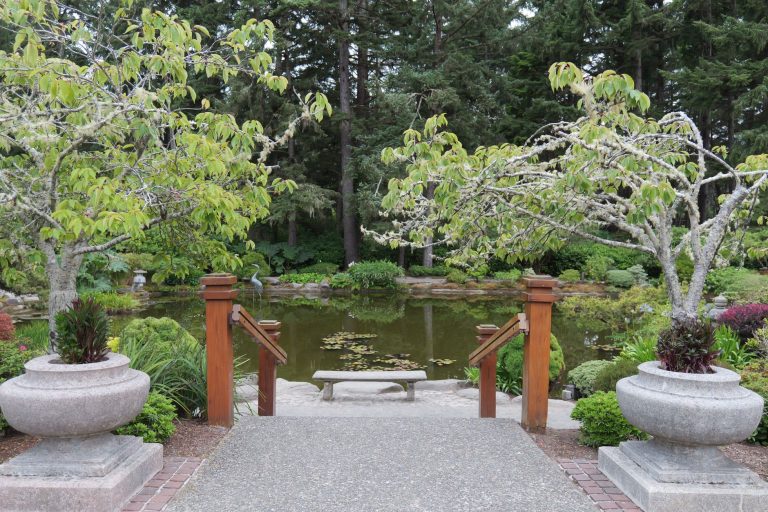
The surrounding park amplifies the whole thing. There’s a splash pad nearby that runs hot in July, a duck pond that gets aggressive attention from anyone carrying bread, and enough open lawn to run on without hitting anyone. The river path draws serious cyclists and casual strollers with equal indifference. Food trucks sometimes park near the main entrance on weekends, though the regulars bring coolers.
What the carousel represents, beyond its own quiet charm, is a strand of continuity in a city that has torn down and rebuilt itself more than once. Reno in 2024 is a place obsessed with what comes next — the Tesla-era economy, the tech-corridor identity, the new hotel towers going up downtown. Against that backdrop, something that has been spinning in the same spot for over a century operates almost as counterargument. Not nostalgia exactly, more like proof that some things survive the appetite for newness.
No admission fee to enter the park. The carousel season typically runs May through September, weather and staffing allowing. Afternoons on weekdays are quieter; weekend mornings before noon are manageable. By two o’clock on a Saturday in July, the picnic tables fill up and parking along West California gets competitive — worth factoring in.