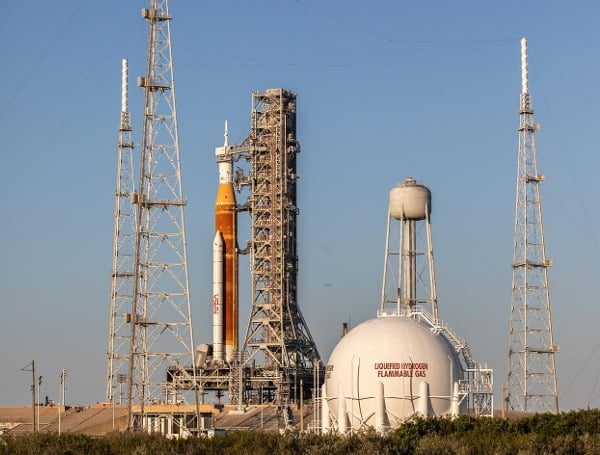
As the federal selection process for the new U.S. Space Academy reaches its deadline, Florida’s own Senate president, Ashley Moody, is making a final, forceful appeal to keep the campus where American spaceflight began – the Space Coast. Moody argues that the state’s decades‑long record of launch successes, from the Mercury program to the recent Artemis II mission, makes Florida the logical and economical choice.
Why the Space Coast makes sense
Moody points to a more than 500 percent surge in launch activity along the Space Coast since 2016, driven by a mix of commercial operators and government missions. The region now hosts a dense cluster of aerospace firms, NASA facilities, and a skilled workforce that can provide hands‑on training for future Space Force officers.
“Placing the new U.S. Space Academy in Florida simply makes sense,” Moody said. “Our Space Coast has been the nation’s gateway to the stars since the beginning of the U.S. space program—placing the academy here means its students have a front‑row seat to the new innovations coming out of both NASA and the private sector, giving them connections and experience they can’t get anywhere else. Why spend years and millions of dollars replicating what we’ve already built here? The U.S. Space Academy belongs in Florida.”
Legislative action to lock in the campus
To cement the bid, Moody introduced the STARS Act in the Senate, while Rep. Mike Haridopolos and Governor‑elect Byron Donalds filed companion legislation in the House. Behind the scenes, Moody has coordinated with state officials to respond to NASA’s formal request for information and convened industry leaders in September to rally support for a Florida location.
The effort builds on a broader package of space‑focused bills Moody has championed in Washington. She previously shepherded the Secure U.S. Leadership in Space Act, which allows spaceports to finance upgrades with tax‑exempt bonds, mirroring the financing tools used by airports and seaports.
Additional proposals to boost Florida’s aerospace hub
Moody also introduced the CAPE Canaveral Act, which would move NASA’s headquarters to the Space Coast, and the Space Ready 2.0 Act. The latter would create a pilot program letting private aerospace companies voluntarily fund infrastructure improvements at NASA centers that support their own launches, all without adding new federal spending.
These proposals reflect a consistent strategy: leverage existing federal resources, avoid unnecessary new expenditures, and keep the nation’s premier space infrastructure where it already thrives.
Local impact and future outlook
Supporters say the academy would bring high‑tech jobs, stimulate local businesses, and provide educational pathways for Florida students interested in science, technology, engineering, and mathematics. The campus could also serve as a catalyst for further private investment in the region’s burgeoning space corridor.
Critics, primarily out‑of‑state think tanks, argue that a single‑state concentration could limit geographic diversity. Moody counters that the Space Coast’s proven track record and existing facilities make it the most cost‑effective and secure choice for the nation’s next generation of space leaders.
With the application window closing soon, the Trump administration’s Space Force leadership will review the competing proposals. Florida’s bid, led by a seasoned state legislator and backed by a coalition of industry and government officials, aims to demonstrate that the Space Coast remains the nation’s premier gateway to the stars.
Original reporting: Tampa Free Press — read the source article.