Johnson County election officials certified the November 3 midterm results Monday, confirming a historic 63.5% voter turnout with 303,407 ballots cast. The certification process, overseen by the county board of canvassers, incorporated provisional ballots and concluded after a thorough audit of close races.
Early‑voting sites and voter access
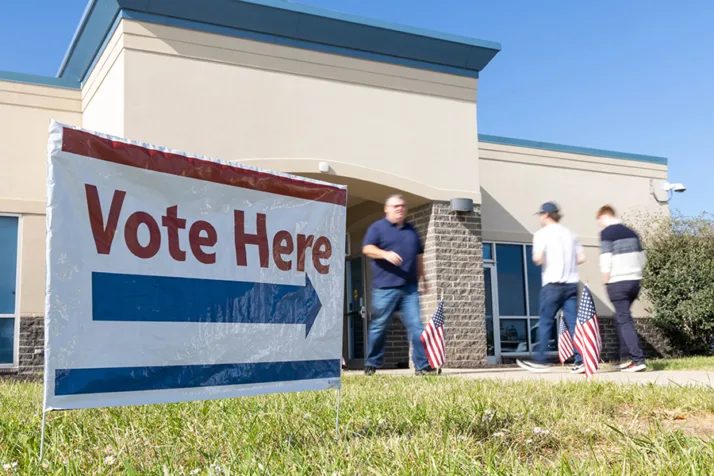
Election Commissioner Connie Schmidt defended her summer decision to reduce early‑voting locations from 18 to 12, adding two new sites while closing eight. Schmidt said the twelve sites “worked perfectly” and served voters equally across the county. She pointed to an all‑time record of 8,185 ballots cast at the twelve locations between 8 a.m. and noon on the Monday before Election Day, compared with 5,926 ballots two years ago when only two sites were open.
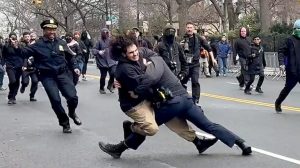
County Commission Chair Mike Kelly expressed a desire to explore additional convenience for students at Johnson County Community College and neighborhoods with limited transportation. Kelly, the ACLU and other groups had raised concerns that the eliminated sites were in underserved areas. After the decision, Kelly wrote to Schmidt requesting the sites be restored and protesters gathered outside the election office. Nonetheless, Kelly praised the election team’s professionalism, courtesy and dedication as the certification concluded.
Voting methods and mail‑in ballot handling
In‑person voting—both early and on Election Day—remained the most popular method, accounting for about 54% of all ballots. Election Day voting comprised 35%, while mail‑in ballots represented 10.5% of the total. Mail‑in ballots enjoyed an 88% return rate, with roughly 80% delivered to the election office via 16 drop boxes rather than the United States Postal Service, a strategy Schmidt highlighted to mitigate postal delays.
State legislators have voted to end the three‑day grace period for ballots postmarked by Election Day. This November, 61 ballots arrived after the grace period and were not counted.
Close races and audit costs
The state‑required audit of three close statewide races and two state House contests added more than $80,000 to the county’s expenses. Kansas law mandates an audit when a race is within 1% after election night, triggering a hand‑count of ballots from 10% of precincts.
Two Kansas House races remained exceptionally close. In House District 27, which covers southern Leawood and Overland Park, Democrat Sara Kiewiet leads incumbent Republican Rep. Sean Tarwater by just 84 votes (6,997 to 6,913). In House District 117, spanning parts of Johnson and Douglas Counties, Democrat Brandon Holland holds a narrow lead over incumbent Republican Adam Turk, 6,611 to 6,469, pending final certification by the Secretary of State.
County commissioners also resolved a tie for Olathe Township Clerk by a coin toss, awarding the position to write‑in candidate Jim Ferri over Jeff Huff.
Community touches
To keep families engaged while waiting at polling places, children participated in a light‑hearted activity, voting for favorite art subjects, breakfast foods and local parks. The informal poll showed a strong preference for art, pancakes and Shawnee Mission Park.
Johnson County’s election process, from early‑voting site adjustments to rigorous audit procedures, demonstrates a commitment to both accessibility and election integrity, ensuring that Kansans’ voices are heard and counted.
Original reporting: Johnson County Post (Overland Park) — read the source article.