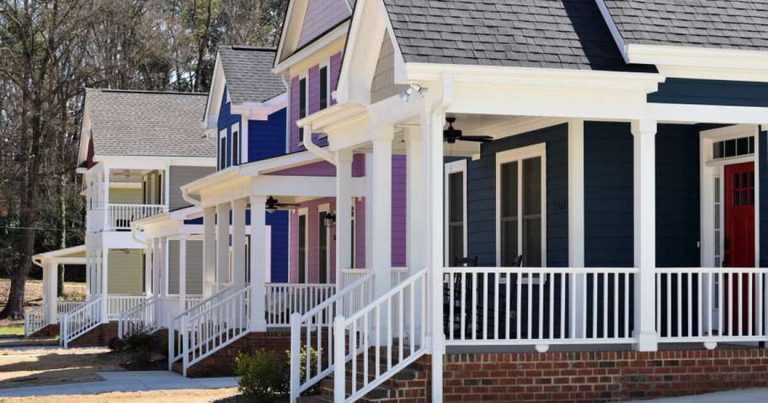
Raleigh’s recent overhaul of land‑use rules is reshaping the city’s housing landscape, delivering more “missing‑middle” homes and easing rent pressures for residents, according to a report released Monday by the Pew Charitable Trusts.
The study highlights that after the city adopted a suite of reforms beginning in 2021—including the removal of density caps in non‑single‑family districts, streamlined building codes for townhouses, duplexes, triplexes, quadplexes, tiny homes and accessory dwelling units, and the elimination of citywide parking minimums in 2022—annual housing production rose 74%. Permits for new units jumped from an average of 3,301 per year (2017‑2020) to 5,731 per year (2021‑2024). By contrast, statewide permits in North Carolina increased 29% over the same period.
Permit data show a dramatic shift in the type of housing being built. From 2015‑2020 the city approved roughly 18,370 new units; that figure climbed to almost 33,800 units between 2021‑2026. Large apartment buildings with 26 or more units grew from 47% of permits in the earlier period to 65% after the reforms, while the share of single‑family home permits fell from 29% to 12%.
“Raleigh didn’t just rely on one change,” said Seva Rodnyansky, research manager for Pew’s housing policy initiative. “They tackled several barriers that were making it more difficult and more costly to build, opening the door to a wider range of homes.” The report notes that allowing more apartments near transit stops and permitting higher‑density structures in traditionally low‑rise neighborhoods has expanded both variety and availability of housing.
Rent trends mirror the surge in supply. After climbing 38% between 2017 and 2022, inflation‑adjusted rents fell 15% from 2022 to 2025, with the steepest declines observed in older apartment complexes that typically house lower‑income tenants. The study attributes part of this affordability gain to the 2022 abolition of parking minimums, which had previously forced developers to spend tens of thousands of dollars per project on parking structures—costs that were ultimately passed on to renters.
Bert Fox, executive director of WakeUP Wake County, praised the reforms, saying the new diversity of housing options “makes the city better” and offers families like her own a realistic chance to afford a home in Raleigh.
What’s next? City officials say they will continue monitoring housing affordability and are exploring additional incentives to encourage the construction of affordable townhomes and accessory dwelling units, aiming to sustain the momentum created by the recent reforms.
Sources: wunc.org