When a deer darts across a road or a storm‑toppled tree lands on your car, the question quickly becomes: does my auto insurance cover the damage? In Tennessee, the answer hinges on whether you carry comprehensive or collision coverage, two policies that many drivers mix up.
Collision Coverage: Damage From Impacts
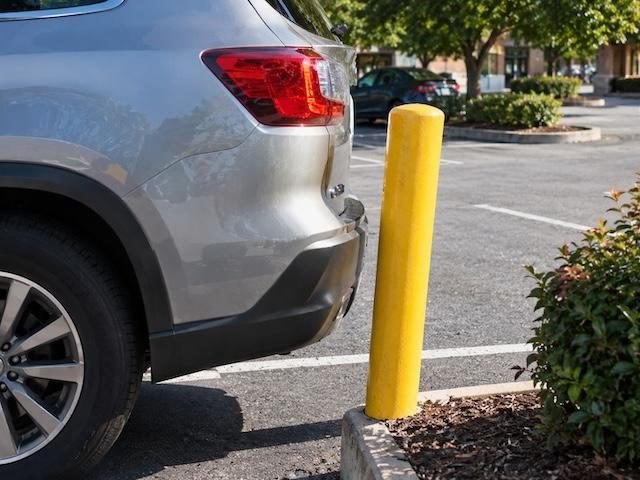
Collision insurance steps in when your vehicle strikes another car, object, or the ground, regardless of who caused the accident. Typical scenarios include backing into a mailbox, sliding into a guardrail on an icy road, or hitting another vehicle at an intersection. The policy also generally covers damage if your car overturns, even when no other vehicle is involved.
It’s important to note that collision pays for damage to your vehicle only. Any damage you cause to another driver’s car or property is handled through property‑damage liability insurance, which most Tennessee drivers carry to meet state minimums.
Comprehensive Coverage: Non‑Collision Perils
Despite its name, comprehensive insurance does not cover every possible loss. Instead, it protects against events that are not collisions. In East Tennessee’s unpredictable weather, a severe thunderstorm can send a tree crashing onto a parked car, hail can dent a hood, and floodwaters can ruin an engine—situations where comprehensive coverage may apply.
Other common comprehensive claims include theft, vandalism, fire, falling objects, and damage caused by striking an animal. For example, if you hit a deer, the loss is typically covered under comprehensive. However, if you swerve to avoid the deer and smash into a telephone pole, that becomes a collision claim.
Deductibles and Premiums
Both coverage types usually come with a deductible—the amount you pay out of pocket before the insurer covers the rest. Suppose a fallen branch causes $2,500 in damage and you have a $500 comprehensive deductible; the insurer would pay $2,000.
Choosing a higher deductible can lower your monthly premium, but it also means you’ll pay more when a claim occurs. Tennessee drivers should weigh the cost savings against their ability to cover the deductible in an emergency.
Legal Requirements and Practical Advice
Tennessee law does not mandate comprehensive or collision coverage. However, if you are financing or leasing a vehicle, lenders typically require both to protect their investment. For an older, fully paid‑off car, consider whether the added premium is worth the protection. Ask yourself: could you afford to replace the vehicle if it were totaled tomorrow?
Insurance is something most people only think about after an accident, when it’s too late to adjust coverage for that incident. Take a few minutes now to review your policy, confirm what is covered, and verify that your deductibles still make sense for your budget.
Take Action
The best time to understand your auto insurance is before you need to use it. Contact your insurance agent, ask specific questions about comprehensive and collision limits, and make sure your coverage aligns with your family’s needs and financial situation.
Original reporting: Knox TN Today — read the source article.