Transportation Secretary Sean Duffy confirmed a technical failure triggered the recent nationwide ground stop, the longest since the September 11 attacks. The issue stemmed from crews replacing copper connections with fiber‑optic lines, a process that has worked thousands of times before but faltered this time.
Local impact in Dayton
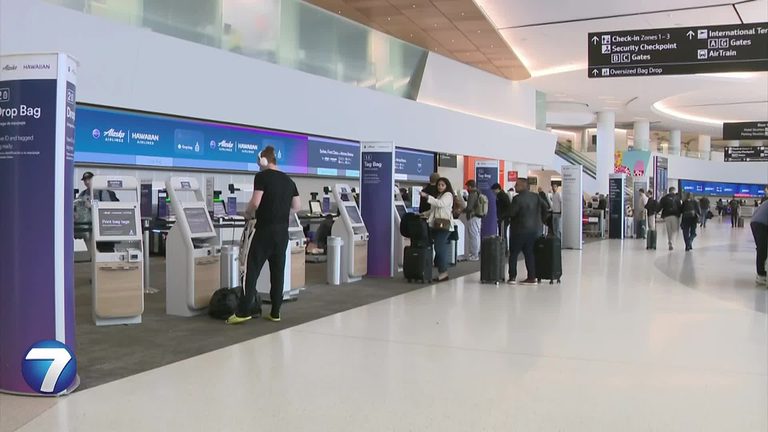
News Center 7 reporter Cody Butler spent part of the day at Dayton International Airport and reported that operations are now “pretty much back to normal.” Travelers who were stranded earlier are beginning to make their way home or continue onward to holiday destinations.
One passenger, Neysa Heyward of North Carolina, described the experience as “complete chaos” and said she hopes it does not happen again. Heyward flew into Dayton from Raleigh/Durham to visit family in the Miami Valley and did not encounter further issues on Monday.
Heyward explained she had prepared backup plans, noting, “I sat there wondering if I’d be able to get out today at all. That’s why I made back‑up plans to still make the trip. Fly out another day or drive. It’s not too terribly long of a drive from North Carolina to Ohio.”
Expert and consumer advice
Aviation history professor Janet Bednarek of the University of Dayton warned that the system is already stretched thin, meaning disruptions can lead to longer waits for alternate flights due to limited seat availability.
Consumer advisor Clark Howard suggested travel insurance could recoup some costs, though it won’t restore a missed trip. He noted insurance typically costs four to six percent of the trip price, according to Forbes.
Travel experts also recommend having backup options such as renting a car, taking a bus, or using train services if flights are delayed or canceled.
Looking ahead
With the holiday travel season approaching, officials urge passengers to stay informed, consider insurance, and keep flexible plans in case further technical issues arise.
Original reporting: WHIO-TV Dayton (local) — read the source article.