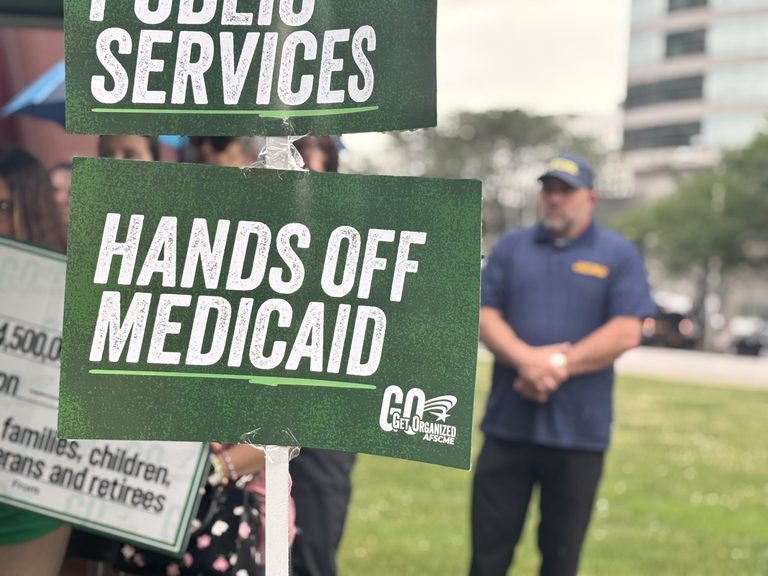
In September, Cuyahoga County saw Medicaid enrollment fall by about 23,000 people – a 6% drop from a year earlier – with roughly half of those losing coverage being children. The loss adds to a broader statewide decline of about 9% since October of last year.
Why enrollment is shrinking
Much of the early reduction came when Ohio resumed eligibility checks in 2023 after pandemic‑era emergency rules kept many on the program. Those checks ended in 2024, yet the numbers kept falling. Local health advocates worry that the upcoming Medicaid work‑requirement provisions, signed into law by President Trump in 2025, will accelerate the loss.
State officials say the Trump administration is allowing states to postpone enforcement of the work‑requirements until July 2026, giving counties a window to prepare. Ohio must notify the federal government by Dec. 11 if it intends to use the delay.
Local impact on families and hospitals
Doctors and hospitals warn that many adults and children who lose Medicaid simply become uninsured, skipping needed care. “It’s not just interruptions in coverage. It’s interruptions in care,” said Daniel Lettenberger‑Klein, chief member and programming officer for WellLink Health Alliance, which represents major hospital systems in Northeast Ohio.
When families arrive at a pediatrician’s office without coverage, clinicians face a painful choice: treat the child and risk unpaid services, or turn them away. “It’s hard and it’s tragic and it breaks your heart,” said Dr. Chris Peltier, a Cincinnati pediatrician serving the area.
Financial strain on hospitals
MetroHealth, the county’s public hospital, projects $384 million in charity‑care costs for 2026, a 7% increase from the prior year. The rise in uncompensated care contributed to a layoff of 125 staff in 2025 and a projected $79 million operating loss next year.
Hospital leaders are already coordinating with community partners, such as the Greater Cleveland Food Bank, to help residents navigate the new requirements. University Hospitals is launching a Medicaid enrollment program that trains financial navigators to assist patients in staying enrolled.
What officials say
Kevin Gowan, director of Jobs and Family Services for Cuyahoga County, noted that the decline in automatic renewals – down about 20% between 2025 and early 2026 – likely contributes to the enrollment drop. Stephanie O’Grady, a spokesperson for the Ohio Department of Medicaid, explained that a temporary rule giving zero‑income residents a waiver on regular eligibility checks expired in summer 2025, adding to the paperwork burden.
Emily Campbell, president and CEO of the Center for Community Solutions, a local think tank, expressed skepticism that many residents suddenly earned enough to qualify for private insurance, suggesting procedural issues and missed paperwork are major factors.
Looking ahead
As the July deadline approaches, counties across Ohio are scrambling to inform eligible residents about the work‑requirement rules and to help them complete the necessary paperwork. The Trump administration’s allowance for a delayed rollout offers a brief reprieve, but advocates warn that without robust outreach, more families could fall through the cracks.
Original reporting: Signal Cleveland — read the source article.