Allen mother Heather Young attended a private‑school fair in Dallas hoping to secure a voucher for her children with disabilities. She voted for Governor‑elect Gina Hinojosa, believing the new administration would protect the Texas Education Freedom Accounts program that currently funds more than 111,000 students.
Governor‑elect’s leverage
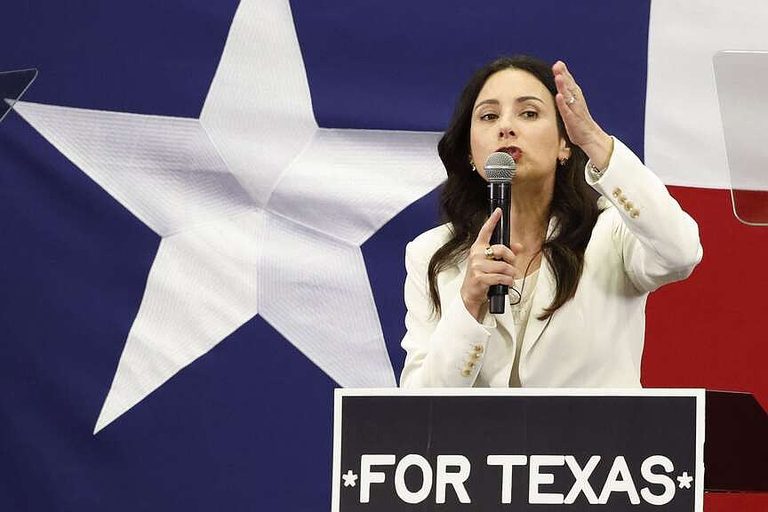
Hinojosa, who won the November 3 election, pledged to “repair the damage of the Texas voucher scam” and to end what she called an era of schools being “sold for parts.” While the Texas Constitution requires the Legislature to repeal the program, the governor can effectively halt it by using a line‑item veto to withhold the $1 billion allocated for the next biennium.
In a November interview with the Houston Chronicle, Hinojosa said her executive powers are a “leverage” she “will always use,” but she stopped short of confirming a veto. “The next six months is going to be one big negotiation,” she said, indicating that the upcoming talks will shape the program’s fate.
Legislative action already under way
Democratic lawmakers have filed at least seven bills to repeal the voucher program. Even with a Republican‑controlled Senate, the shift in the governor’s office could encourage more GOP legislators to join the effort, according to David DeMatthews, an educational‑leadership professor at the University of Texas at Austin.
“Any governor kind of has a bully pulpit to help set the agenda,” DeMatthews noted. “More Republicans may change their mind now that the politics are different.”
What families stand to lose
Under the current program, families receive $10,474 per student, with up to $30,000 for children with documented disabilities, and $2,000 for homeschooled students. Roughly 70% of awardees were already in private schools or homeschooled, while over 60% are low‑income and about one‑in‑six have a disability.
Rachel Pearce, a former teacher from Farmersville, uses the funds to homeschool three children, including one with dyslexia. “Parents aren’t rich. They’re just making huge sacrifices for their kids,” she said, emphasizing the importance of parental freedom in education.
Danisha Nunn, whose children attend a microschool for special‑needs learners, warned that without the vouchers she would likely have to switch to homeschooling. “There are some good schools that are helping us,” she said, urging lawmakers to consider a middle‑ground approach.
Potential reforms
If the program survives, experts suggest stricter guardrails could be added, such as targeting funds specifically to special‑needs students and requiring greater transparency, like publishing standardized‑testing results for voucher‑receiving schools.
New state comptroller Sarah Eckhardt, a Democrat, has promised thorough audits and routine data releases, a contrast to her Republican predecessor Don Huffines, who declined to disclose how much public money each school or vendor received.
Impact on private‑school sector
Private schools rely heavily on voucher dollars to expand services for students with learning differences. Connie Rodriguez, founder of Waterfall Academy in Richardson, said the program allowed her to hire two additional teacher aides. “If the program ends, our ability to serve these families could be severely limited,” she warned.
While critics argue that ending vouchers would protect public‑school funding, families like Young and Pearce stress that the program provides essential educational choice and supports parental responsibility.
As the new administration prepares its budget and the Legislature debates repeal bills, the fate of Texas Education Freedom Accounts remains a pivotal issue for thousands of Texas families seeking quality education for their children.
Original reporting: Texarkana Gazette — read the source article.