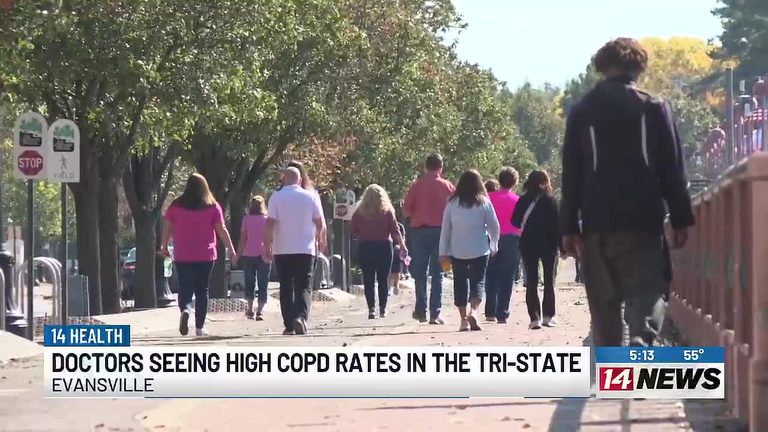
Evansville, IN – As National COPD Awareness Month arrives, Dr. Christopher Nelson, a pulmonologist at Ascension St. Vincent Evansville, is sounding the alarm about the region’s air quality. He says the Ohio Valley functions like a natural basin, allowing particulate matter to linger in the atmosphere and contribute to higher rates of chronic obstructive pulmonary disease (COPD) across the Tri‑State area.
Why the Ohio Valley’s geography matters
According to Dr. Nelson, the valley’s topography creates a “trapping” effect for pollutants. When wind patterns are weak, fine particles from vehicle exhaust, industrial emissions, and other sources settle in the lower atmosphere rather than dispersing. Over time, this buildup can degrade the air people breathe, especially on days with stagnant weather.
Combined risks: Smoking and air quality
Nelson emphasizes that tobacco use and poor air quality together amplify the danger. “If you’re a smoker, the combination of smoke and trapped particulate matter can increase the severity of respiratory symptoms,” he explained. He urges anyone experiencing worsening shortness of breath, coughing, or wheezing to monitor local air‑quality indexes—readily available through phone apps and news reports—and to seek medical advice promptly.
Practical steps for residents
For those living with COPD or other chronic lung conditions, Dr. Nelson recommends several protective measures:
- Stay informed about daily air‑quality levels using reputable apps or local news updates.
- Limit outdoor activities on days when the air‑quality index indicates unhealthy conditions.
- Quit smoking and seek cessation support; quitting reduces the overall burden on the lungs.
- Maintain regular physical activity indoors to keep the respiratory system strong.
- Consult a healthcare provider about appropriate inhalers, medications, and oxygen therapy.
Broader health concerns in Indiana
Nelson also highlighted Indiana’s high lung‑cancer incidence and mortality rates. He noted that many cases go undetected until the disease has advanced, underscoring the importance of early screening. Ascension St. Vincent is promoting a low‑dose CT lung‑screening program designed to catch cancer at a treatable stage. Doctors encourage smokers and former smokers to discuss screening eligibility with their physicians, even in the absence of symptoms.
Community resources
Local health officials are working with hospitals and clinics to raise awareness about both COPD management and lung‑cancer screening. Educational materials are being distributed through community centers, churches, and senior‑living facilities. The goal is to empower residents with knowledge and tools to protect their lung health, especially during the colder months when indoor air quality can also decline.
Looking ahead
While regional air‑quality challenges persist, Dr. Nelson remains optimistic that informed residents can mitigate many of the risks. By staying vigilant, quitting smoking, and taking advantage of screening programs, Evansville and the broader Ohio Valley can improve respiratory outcomes and reduce the burden of COPD and lung cancer on families and the healthcare system.
Original reporting: 14 News WFIE Evansville (news) — read the source article.