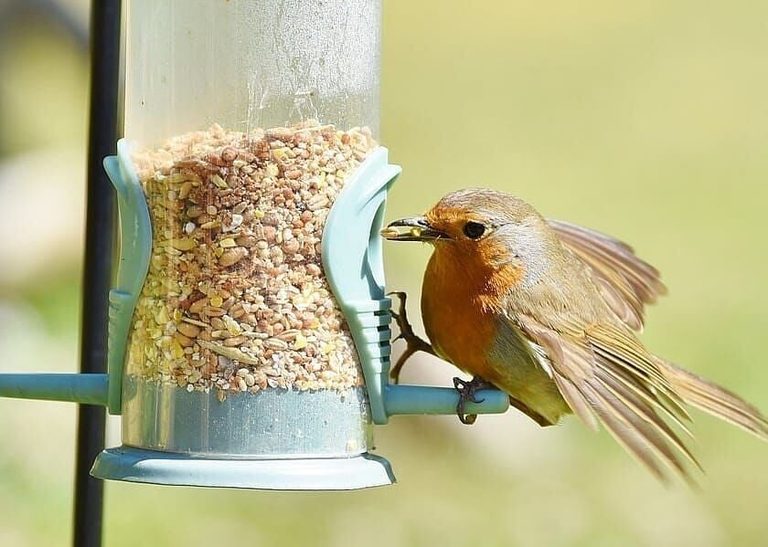
Louisiana bird enthusiasts now have a clear picture of which feathered friends frequent backyard feeders across the state. Using data collected from November 1 to November 13 by Cornell Lab of Ornithology’s Project FeederWatch, Stacker identified the twenty most commonly seen species at 18 count sites in Louisiana.
Top Five Species in the Pelican State
#1 Mourning Dove – Visited 72.2% of sites with an average group size of 2.01. The highest state percentages were recorded in Rhode Island (86.7%) and Washington, D.C. (80.0%).
#2 Carolina Chickadee – Also seen at 72.2% of sites, averaging 1.97 birds per visit. Arkansas led the nation with a 90.9% site‑visit rate.
#3 Northern Cardinal – Appeared at 66.7% of Louisiana sites, with an average group size of 3.36. Arkansas again topped the list at 95.5%.
#4 Carolina Wren – Recorded at 66.7% of sites, averaging 1.27 birds. Alabama showed the strongest presence at 85.1%.
#5 Northern Mockingbird – Tied at 66.7% site visits, with an average group size of 1.14. Louisiana itself led this category, matching the state’s overall ranking.
Mid‑Tier Favorites
Following the top five, the list includes familiar visitors such as the House Sparrow (61.1% of sites, average group size 5.6) and the Blue Jay (55.6% of sites, average group size 2.02). The Tufted Titmouse, House Finch, and Downy Woodpecker round out the top ten, each showing solid statewide presence.
Less Common, Yet Notable
Species with lower visitation rates still make the top twenty, highlighting the diversity of Louisiana’s backyard birdlife. The Brown‑headed Cowbird (22.2% of sites, average group size 3.82) and the Eastern Bluebird (22.2% of sites, average group size 2.87) illustrate the range of habitats supported by feeder participants.
Other notable entries include the Yellow‑rumped Warbler, Red‑winged Blackbird, European Starling, American Crow, and the Ruby‑crowned Kinglet, each contributing to a vibrant seasonal tableau for birdwatchers.
How the Data Is Collected
Project FeederWatch is a citizen‑science initiative that began in Ontario in 1976, later partnering with the Cornell Lab to expand across the United States and Canada. More than 20,000 volunteers record bird visits at their feeders, providing scientists with valuable information on population trends.
Data for this ranking were gathered at 18 Louisiana count sites. States with fewer than ten count sites were excluded from the national rankings for each species, ensuring a robust sample.
Getting Involved
Anyone interested in contributing to the growing database can become a FeederWatcher. Participants receive guidance on how to record sightings and submit data, helping researchers track changes in bird populations over time.
For Louisiana residents eager to identify the birds visiting their own yards, this list offers a useful reference point and a reminder of the natural beauty that thrives alongside our homes and neighborhoods.
Original reporting: KTBS 3 (Shreveport) — read the source article.