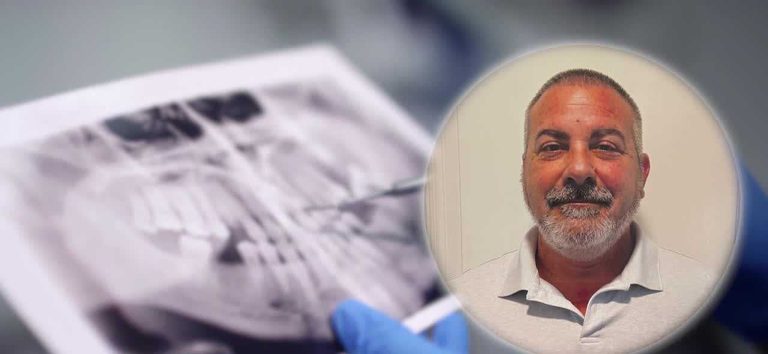
Port St. Lucie residents are calling on the Florida Legislature to tighten safeguards around intravenous sedation used in dental procedures. The effort follows the tragic death of Anthony DiMatteo, a 45‑year‑old father of five, who died on Sept. 17, 2024, after a full‑mouth dental implant surgery.
What happened
According to the St. Lucie County Medical Examiner’s Office, DiMatteo’s death was ruled accidental and resulted from complications linked to the administration of fentanyl, midazolam and dexmedetomidine during the operation. The examiner also noted that cardiovascular disease, hypertension and diabetes were contributing factors.
Sarah DiMatteo, the victim’s spouse, said her husband had endured years of dental pain, cracked and loose teeth, and embarrassment about his smile. “He loved to laugh and smile,” she recalled. “He was self‑conscious and finally decided to get the implants to improve his quality of life.”
Family’s call for change
Sarah and her attorney, Mike Grife, argue that the current Florida law allowing dentists who meet certain training requirements to obtain permits for moderate IV sedation creates an unnecessary risk when the same practitioner must also perform the dental work. They propose legislation that would require a dedicated anesthesia professional—such as a physician, anesthesiologist or certified registered nurse anesthetist—to monitor patients receiving IV sedation.
“Wouldn’t it make sense to have a specialist who has spent years in training to make sure the patient is protected?” Grife asked. He added that asking one person to juggle the dental procedure, sedation administration, and emergency response “creates unnecessary risk.”
Current law and proposed safeguards
Under existing Florida statutes, dentists who satisfy state‑approved training can obtain a permit from the Florida Department of Health to administer moderate intravenous sedation. The DiMatteo dentist holds such a permit, and the procedure was scheduled to be completed in a single day.
The proposed bill would amend the sedation regulations to require a separate, qualified anesthesia provider to be present for any dental case involving IV sedation. Proponents say this change would align Florida with other states that already mandate an anesthesia professional for comparable procedures.
Community response
Local medical professionals have expressed support for the family’s initiative. Dr. Laura Hernandez, a St. Lucie anesthesiologist, noted, “Having a dedicated anesthesia provider adds a critical layer of safety, especially for patients with complex medical histories like Mr. DiMatteo’s.”
Conversely, the Florida Dental Association cautioned that the proposed requirement could increase costs for patients and limit access to timely dental care, particularly in underserved areas. The association emphasized that many dentists already follow strict monitoring protocols and that additional regulation should be balanced against potential barriers to care.
Next steps
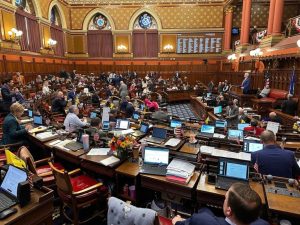
Grife and the DiMatteo family plan to meet with state legislators in the upcoming session to discuss the bill’s language and gather bipartisan support. They hope the legislation will pass before the next legislative session ends in May 2025.
“We feel that Anthony’s death was preventable,” Grife said. “If the proper safeguards had been in place, he would still be here today.” The family’s advocacy underscores a broader conversation about patient safety, parental‑rights to informed medical decisions, and the role of state oversight in protecting Floridians.
Original reporting: WPBF West Palm Beach — read the source article.