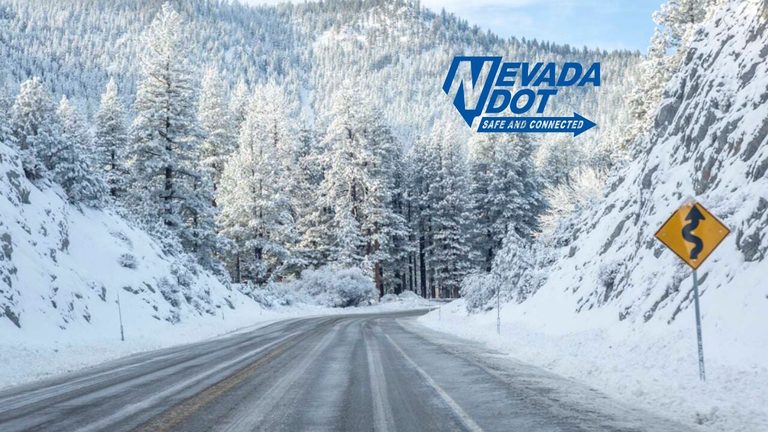
Winter weather can quickly turn a routine drive into a hazardous journey. In response, Nevada’s transportation and public‑safety agencies are mobilizing resources now to keep highways and city streets safe for the coming season.
Recent crash data underscores the need for caution
Preliminary figures show roughly 1,500 crashes occurred across the state during inclement weather between Oct. 1, 2025, and Apr. 30, 2026, including seven fatalities. Most incidents involved drivers traveling too fast for the conditions, following too closely, or leaving their lanes on snow‑covered or icy pavement.
How the state and local agencies divide road maintenance
Nevada Department of Transportation (NDOT) maintains about 1,400 miles of state highways in northwestern Nevada, including the major interstates and U.S. routes. NDOT keeps a fleet of snowplows, brine sprayers and sand trucks on standby year‑round. Crews monitor more than 70 weather stations along the highways, adjusting treatment plans as temperatures and precipitation change. During major storms, crews work rotating 12‑hour shifts to keep snow removal continuous. Motorists can view live highway conditions and camera feeds at NVRoads.com.
Washoe County is responsible for roads in unincorporated areas outside Reno and Sparks that NDOT does not cover. The county classifies routes into three priority levels, with Priority 1 covering major arterials, bridges, school bus routes and emergency‑vehicle corridors. Priority 2 includes secondary arterials and residential streets, while Priority 3 covers lesser‑used streets, unpaved roads and cul‑de‑sacs. The county may apply brine up to seven days before a storm and uses salt and sand during and after snowfall. Residents of Incline Village and Crystal Bay can track plow routes via the county’s “Where’s My Plow” app or call the Roads hotline at (775) 328‑2180.
City of Reno maintains roughly 2,361 lane miles of city streets, organized into 20 snow‑and‑ice removal routes. Crews prioritize major arterials, school zones and emergency‑service locations, using salt, sand and brine to improve traction. When conditions warrant, brine is applied before snow or ice arrives. During large storms, crews operate around the clock. Reno drivers can view an interactive snow‑plow coverage map and report concerns to Reno Direct at (775) 334‑4636. Additional details are posted on Reno.gov/Snow.
City of Sparks divides its streets into six snow routes, focusing first on major arterials and school‑bus corridors such as Vista Boulevard and Sparks Boulevard. Residential streets are generally not plowed or sanded unless resources allow. Crews may pre‑treat priority streets with brine, but avoid brine when rain is forecast because it can wash away. Residents are asked to clear snow from their own driveways and sidewalks and to keep snow off the roadway.
What drivers should do before heading out
Nevada State Police troopers, led by Major Anthony Munoz, stress that motorists must adjust speed to current conditions, especially in work zones. “Please slow down, focus on the road, and follow the work‑zone speed limits,” Munoz said. Nevada law requires drivers to travel at a reasonable and proper speed for the conditions, even if that means driving below the posted limit.
Agencies recommend that drivers:
- Check weather and road conditions via NVRoads.com, the Nevada 511 app, or by calling 511.
- Travel only when necessary during winter weather and allow extra travel time.
- Clear snow and ice from windows, mirrors, lights, turn signals and license plates.
- Wear seat belts, turn on headlights and maintain a greater following distance.
- Turn off cruise control and avoid sudden starts, stops and turns.
- Use proper traction devices and ensure tires are in good condition.
- Watch for snow‑removal equipment and exercise extra caution on bridges, ramps and shaded areas that may freeze first.
- Carry emergency supplies such as chains, a flashlight, an ice scraper, a small shovel, warm clothing, blankets, first‑aid items, food and water.
Community cooperation makes a difference
Residents can help snow‑plow crews by moving parked vehicles off the street before a storm, keeping trash cans and other objects out of the roadway, and placing cleared snow on private property rather than blowing it onto the street. During heavy snowfall, plows may leave berms along driveways; homeowners should be prepared for this temporary inconvenience.
When rain turns to standing water, drivers and pedestrians should avoid flooded roads. Even six inches of water can submerge a vehicle’s undercarriage, leading to loss of control or engine stall.
By staying informed, driving responsibly and supporting road crews, Nevada motorists can help ensure a safer winter for everyone.
Original reporting: 2news.com — read the source article.