Residents of San Antonio’s South Side are taking matters into their own hands to address long‑standing worries about the air they breathe. The Health Collaborative, together with the University of Texas at San Antonio, has begun the “Breathe Easy SA” study, a community‑driven effort that places up to 40 free PurpleAir monitors outside volunteers’ homes.
Why the study matters
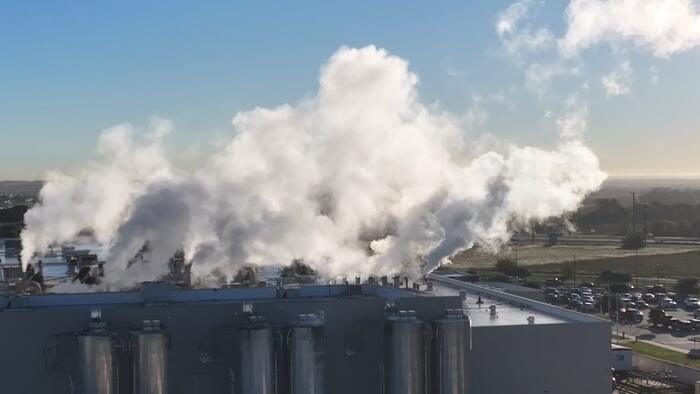
The targeted neighborhoods lie south of U.S. Highway 90 and near General Hudnell Drive, an area dense with recycling plants, salvage yards and other industrial businesses. For years, locals like Deborah Ponce have reported respiratory problems, headaches and other ailments they believe stem from the nearby factories.
“We are the evidence, but nobody believes this without proof in certain manners,” Ponce said, emphasizing the need for concrete data before any larger changes can occur.
How the monitoring works
PurpleAir devices continuously record particulate matter and other pollutants, sending real‑time readings to a central database accessible to researchers and the public. The Health Collaborative will analyze the data to identify patterns and potential spikes linked to industrial activity.
“What we see today is recognizing that environmental health is health,” said Elizabeth Lutz, executive director of The Health Collaborative. “It is what provides either an uptick or a downtick to chronic conditions, to stressors in the community, to livability and walkability for community families.”
Community involvement
Volunteers like Ponce joined the study in October, inviting monitors to be installed on their properties. The initiative is free for participants, removing financial barriers that often prevent low‑income neighborhoods from conducting such research.
“A lot of it takes a long time, and nothing’s going to happen without some sort of proof that a problem exists,” Ponce added, underscoring the patience required to turn data into policy action.
Next steps
As monitors go up across the four South Side neighborhoods, The Health Collaborative and UTSA will continue to work with residents, sharing findings and advising on mitigation strategies. The ultimate goal is to provide the evidence needed for city officials, health agencies and industry leaders to address any identified hazards.
Local families hope the study will lead to cleaner air, reduced health risks and a stronger sense of agency over their environment.
Original reporting: San Antonio, TX News (HLL/CB) — read the source article.