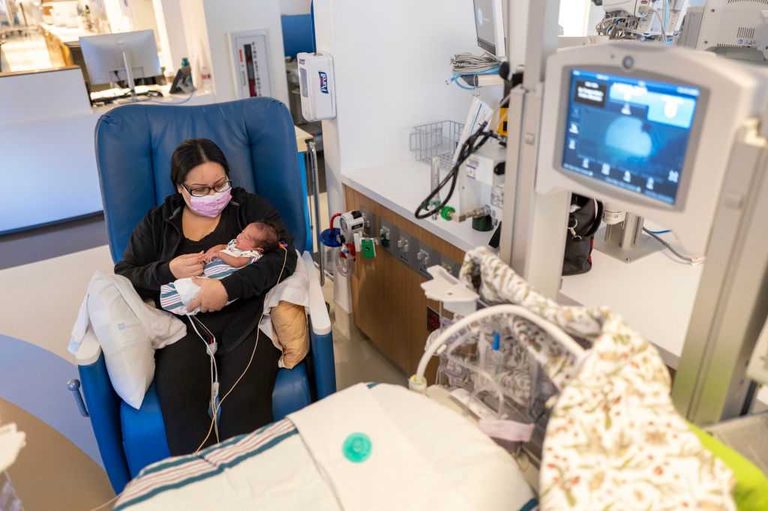
Congressional leaders from both parties unveiled a new proposal on Monday that would amend the 1993 Family and Medical Leave Act (FMLA). The amendment would grant eligible workers up to 12 extra weeks of unpaid leave specifically for caring for a newborn who is hospitalized in a neonatal intensive care unit (NICU). The measure, called the Stand By NICU Babies and Families Act, would sit on top of the existing 12 weeks of parental leave already available under the FMLA.
Why the bill matters for families
Parents of NICU infants often exhaust much of their allotted leave before the baby can return home. Many end up returning to work while their child remains in intensive care, a situation that can increase stress for families and potentially affect the health of the infant. Advocates argue that uninterrupted parental presence improves outcomes, such as better weight gain and reduced risk of infection, while also lowering the chance of postpartum depression for mothers.
Bipartisan sponsorship and personal stories
The legislation was introduced by Rep. Brittany Pettersen, a Democrat from Colorado, who said the effort is “about life experiences, not party.” She is joined by Republican co‑sponsors Rep. Mike Lawler of New York and Rep. Ryan Mackenzie of Pennsylvania, as well as Democrat Rep. Morgan McGarvey of Kentucky. Both Lawler and Mackenzie have spoken publicly about their own experiences as fathers of NICU babies, and McGarvey recalled his teenage twins spending 99 days in intensive care after being born 14 weeks early.
State pilots and corporate leaders
Colorado and Illinois have already enacted state‑level policies that provide NICU leave, giving the federal proposal a proven model. In the private sector, several large employers have begun offering similar benefits. Walmart announced it will provide a maximum of 12 extra weeks of NICU leave to its full‑time staff, joining companies such as Morgan Stanley, Pinterest, and baby‑product maker Bobbie.
Legislative outlook
While the bill enjoys bipartisan backing, it faces a long road. It must be reintroduced in the new Congress convening in January, and Rep. Pettersen will need to secure additional Republican sponsors after Lawler and Mackenzie lost their reelection bids in the recent midterms that gave Democrats control of both chambers. Nonetheless, the proposal signals a growing consensus that families with critically ill newborns need more flexibility.
Broader context of family‑leave policy
The United States remains the only industrialized nation without a federal paid family‑leave mandate. Under the current FMLA, eligible employees—those who have worked at least 12 months for a private employer with 50 or more employees—receive up to 12 weeks of job‑protected unpaid leave for the birth or adoption of a child. The new amendment would not create a paid benefit, but it would ensure that parents facing a NICU stay are not forced to choose between work and their child’s care.
Public health perspective
According to the Centers for Disease Control and Prevention, roughly one in ten babies born in the United States is admitted to a NICU. Experts stress that parental skin‑to‑skin contact and consistent caregiving can improve health outcomes for premature infants. While many NICU stays are shorter than the proposed 12‑week cap, the extended allowance would provide a safety net for families confronting the most serious medical challenges.
Supporters hope the legislation will lay groundwork for future paid‑family‑leave reforms, a goal that Rep. Pettersen says will continue to be pursued once the bipartisan foundation is secured.
Original reporting: KOAT Albuquerque — read the source article.