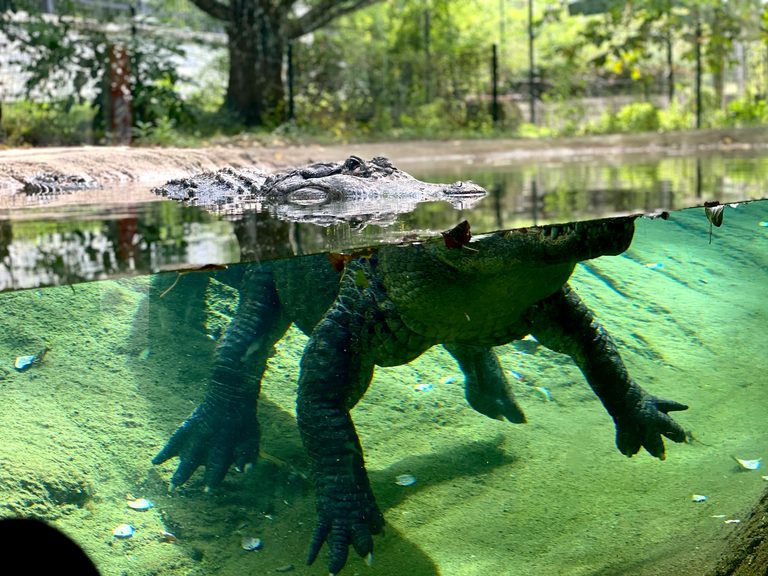
Texas residents and visitors who love fishing, kayaking or a simple lakeside picnic should be aware that American alligators are a natural part of the state’s eastern ecosystems. The Texas Parks and Wildlife Department confirms that these ancient reptiles primarily inhabit the eastern third of the state, favoring swamps, rivers, marshes and other freshwater habitats.
Key Rivers and Lakes with Alligator Activity
While Lubbard and much of West Texas are far from the alligator’s preferred habitat, several well‑known waterways in East Texas regularly see alligator sightings. The most frequently reported locations include:
- Sabine River – flowing along the Texas‑Louisiana border, the Sabine’s slow‑moving waters provide ideal hunting grounds.
- Neches River – winding through the Piney Woods, this river supports a healthy alligator population.
- Trinity River – especially the lower stretches near the Sam Rayburn Reservoir, where abundant fish attract the reptiles.
These areas are popular for recreation, so the chance of an encounter is higher than in the arid western regions.
How to Enjoy the Outdoors Without a Close Encounter
The Texas Parks and Wildlife Department advises keeping a minimum distance of 30 feet from any alligator you see. While that may sound close, alligators typically avoid human contact and attacks are rare. Nonetheless, a cautious approach protects both you and the animal.
Practical safety steps include:
- Stay on marked trails and designated boat launches.
- Avoid swimming in known alligator habitats, especially at dusk or dawn when the reptiles are most active.
- Never feed alligators. Feeding encourages them to associate people with food, increasing the risk of dangerous behavior.
- Keep pets on leashes and under close supervision near water. Small animals can provoke a defensive response.
- If you spot an alligator, give it space, back away slowly, and report the sighting to local wildlife officials.
Why Alligators Matter
Alligators play a vital role in Texas’s ecosystems. As apex predators, they help control fish and turtle populations, contributing to a balanced aquatic environment. Their presence also supports biodiversity by creating “alligator holes” that serve as refuges for other wildlife during dry periods.
What to Do If You Encounter an Alligator
Should you find yourself within the recommended distance of an alligator, remain calm. Do not run; instead, move away slowly while keeping the animal in view. If an alligator appears aggressive, retreat to a safe location and call the Texas Parks and Wildlife hotline at 1‑800‑555‑1234 for guidance.
By respecting these ancient creatures and following simple safety guidelines, Texans can continue to enjoy the state’s beautiful waterways while preserving the natural heritage that makes our region unique.
Original reporting: News/Talk 790 KFYO (Lubbock) — read the source article.