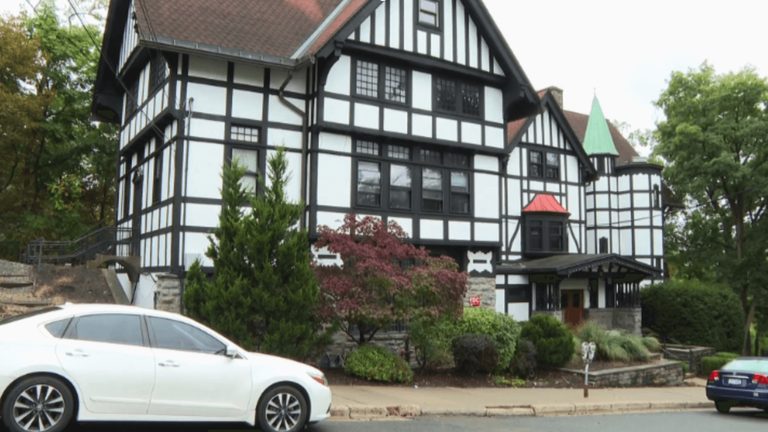
In Ithaca, New York, Cornell University announced that a student‑moderated forum will take place Monday evening, from 7:15 to 8:45 p.m., in the Call Auditorium. The closed session will focus on how the university is addressing the alleged gang‑rape that occurred at the Chi Phi fraternity in October 2024.
Background and recent developments
The case stems from a civil lawsuit filed in September by a plaintiff identified only as “Jane Doe,” who alleges she was pressured to take ketamine and was subsequently gang‑raped by seven fraternity members. The alleged assault is said to have begun on the night of Oct. 19 and continued into the early morning of Oct. 20.
Following intense scrutiny of Cornell’s response, the Cornell Daily Sun reported that the upcoming forum will allow students to pose questions directly to university officials about the investigation and policy changes. The university spokesperson confirmed the event will be closed to the media, and it remains unclear whether President Michael I. Kotlikoff will address reporters after the session.
Faculty Senate no‑confidence vote
On Nov. 6, the Cornell Faculty Senate voted 75‑50 to express no confidence in President Kotlikoff and senior administrators, with five members abstaining. While the vote does not automatically remove any officials, it serves as a public rebuke and adds pressure on the Board of Trustees, which holds ultimate authority over university leadership.
A no‑confidence vote is rare in higher‑education settings and was first introduced by Labor History Professor Paul Ortiz on Oct. 6. The faculty’s action reflects growing frustration over the university’s handling of sexual‑misconduct cases.
Student protest and demands
On the same day as the faculty vote, students occupied Ho Plaza in a demonstration titled the “Justice for Survivors Rally.” Hundreds of participants, organized by Students for a Democratic Cornell and other advocacy groups, called for the expulsion of the seven accused men, revocation of their degrees, comprehensive revisions to Cornell’s sexual‑assault policies, and an independent external investigation.
External investigations
In response to the controversy, Cornell hired former Deputy Attorney General Sally Yates, who served in the Obama administration, to review the university’s handling of sexual‑misconduct complaints. Yates announced on Oct. 21 that she is gathering information from students, faculty, and staff and intends to release her findings promptly.
New York State Attorney General Letitia James also appointed former Civil Rights Unit Chief Jacqueline Kelly as outside counsel for a criminal investigation into the alleged gang rape. Governor Kathy Hochul designated James as special prosecutor after Tompkins County District Attorney Matthew Van Houten reopened the case, noting the need for a “clean slate” after the district attorney’s earlier decision not to prosecute due to insufficient evidence. Attorney General James expects the investigation to take several months.
Implications for the campus community
The upcoming forum provides a rare opportunity for students to hear directly from university leaders about policy reforms and investigative progress. It also underscores the broader national conversation about campus safety, due process, and the role of external oversight in higher‑education institutions.
Stakeholders—including faculty, students, parents, and alumni—will be watching closely to see whether Cornell’s actions restore confidence in its leadership and demonstrate a commitment to protecting survivors while upholding fair procedures for the accused.
Original reporting: CNY Central WSTM (Sinclair) – local — read the source article.