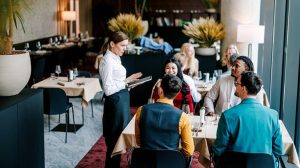
What does a great ramen shop look like at 2 PM on a Tuesday? At Orenchi Beyond on Market Street in the Castro, it looks like a third of the seats already filled, a small queue forming near the host stand, and a kitchen that never really stopped moving between the lunch rush and whatever comes next. The original Orenchi is in Santa Clara, a South Bay institution with lines that wrap around the block on weekends. This outpost, which opened in 2016, brought the same tonkotsu pedigree up to San Francisco without diluting it.
The room is narrow and spare — wood-slat walls, low lighting, a counter that runs along one side where solo diners and pairs settle in with the focused quiet of people who mean business. There’s a full bar built into the concept, which sets it apart from most ramen-only spots in the city. Cocktails here aren’t an afterthought; the yuzu gin and tonic, cold and sharp, is a legitimate companion to a bowl of fatty broth. The menu runs deeper than it looks at first glance.
The tonkotsu is the anchor. Milky white, deeply porky, built from bones simmered for hours — it arrives with chashu pork that’s been braised until it barely holds its shape, a soft-boiled egg with an orange center, and thin straight noodles that hold up without going slack. The broth itself has that particular quality that’s hard to describe to someone who hasn’t tasted it: not just rich, but rounded, with no sharp edges. It costs around $18, which puts it at the higher end of SF ramen pricing but doesn’t feel unreasonable given the execution.
Beyond the tonkotsu, there’s a black garlic version — slightly more complex, with charred aromatics cutting through the fat — and a shoyu option for anyone who wants something cleaner. The tsukemen, a dipping-ramen format where thick noodles come separately from a concentrated broth, draws its own devoted following. Order a side of the takoyaki if they’re listed on the daily board; lightly crisp outside, molten inside, finished with bonito flakes that ripple in the steam.
Service moves efficiently but without the mechanical churn of a tourist-facing operation. Servers know the menu cold and don’t oversell. If the kitchen is backed up, they’ll say so. The clientele on a weekday afternoon is a cross-section of the Castro neighborhood — tech workers with laptops put away, older regulars who clearly know the bartender, the occasional table of visitors who found it on a list and are plainly relieved it turned out to be real.
The best time to come is exactly when you might not expect: mid-afternoon on a weekday, or early on a weekend before 11:30. The dinner rush can pack the room tight and stretch waits past 45 minutes on Fridays. Lunch is calmer and the noodles are just as good. Street parking is brutal in the Castro; the K, L, and M lines stop nearby, and that’s genuinely the better bet.
Orenchi Beyond doesn’t try to be more than it is — a serious bowl of ramen in a room designed to serve it well. That restraint is exactly what makes it reliable.