Governor‑elect Gina Hinojosa is moving quickly to fulfill a key campaign promise: appointing a career educator to lead the Texas Education Agency (TEA). After a decade under former commissioner Mike Morath, whose background was in software engineering and brief part‑time teaching, many Texas teachers, administrators and parents are hopeful that a leader with deep classroom experience will better represent their concerns.
Why a career educator matters
Morath’s tenure was marked by frequent criticism from educators who felt his data‑driven approach lacked the “boots‑on‑the‑ground” perspective needed to understand daily classroom challenges. As a former Dallas school board trustee, Morath spent only six months teaching computer science part‑time, a fact often cited by critics as evidence of his disconnect from teachers.
“We were all hopeless for a while,” said Roosevelt Nivens, superintendent of the Lamar school district and president of the Texas Association of School Administrators. “But with Hinojosa taking office, I have a lot of hope, and I feel she’s going to really help us out.”
The commissioner’s role
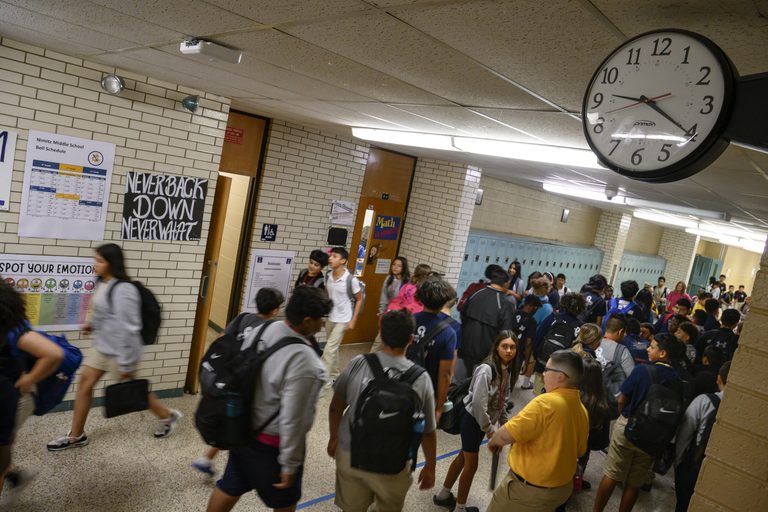
The Texas education commissioner oversees more than 9,000 public schools serving nearly 5.5 million students. The office guides the TEA in developing state assessments, publishing curriculum materials, allocating additional funding, and investigating misconduct. When districts fail to meet academic standards, the commissioner can close schools or remove locally elected leaders.
Because the position wields such influence, the commissioner also serves as the public‑education voice to the legislature, the governor and the public.
Looking back: the last educator‑commissioner
The most recent career educator to hold the post was Shirley Neeley, a former teacher, assistant principal, principal and superintendent who earned a doctorate in curriculum and instruction from the University of Houston. Neeley’s three‑year tenure included navigating a high‑stakes exam cheating scandal and replacing elected trustees in a troubled district. Though she faced criticism, many administrators credit her classroom background with giving her credibility among teachers.
What Hinojosa’s team is doing
Hinojosa’s transition team is interviewing candidates with extensive teaching, school‑administration and district‑leadership experience. The eventual nominee will need confirmation from a two‑thirds supermajority in the Republican‑controlled Texas Senate.
Randy Willis, executive director of the Texas Association of Rural Schools, emphasized the need for a balance between “good policy and practical reality.” “How do you take these statutes and apply rules that effectively make it a good policy for every school district?” he asked, noting Texas’s size and diversity.
Stakeholder perspectives
Many educators argue that only someone who has served in the classroom can truly understand teachers’ and principals’ daily challenges. “The American Medical Association is not going to go and get a CEO from the engineering association,” said Walter Jackson, superintendent of the La Porte school district. “To understand what teachers go through, you have to have been in the classroom.”
Former commissioners without classroom experience have sometimes relied on trusted advisors with strong teacher reputations, but the consensus among current educators is that a leader who has taught will be more responsive to school‑level needs.
Political backdrop
Outgoing Governor Greg Abbott, while supportive of public schools, has been criticized for inserting his interpretation of Christianity into curricula and for withholding billions in funding before his school‑voucher legislation passed. Morath, Abbott’s appointee, defended a strict approach to accountability, taking control of districts that failed to meet evolving standards.
Morath’s tenure ended in January, and his legacy includes a focus on rapid action to improve student outcomes, though critics say he often acted without sufficient collaboration with local districts.
What’s next?
The next commissioner will inherit one of the nation’s largest and most diverse school systems at a time when enrollment is declining, budgets are tightening and teacher salaries lag behind many other states. While no single leader can solve all challenges, educators agree that a commissioner with real classroom experience will be better positioned to balance accountability with the support schools need.
“There’s just something to be said about someone in a position of leadership, who has the ultimate decision‑making power, being someone that can say, ‘I have experience here. I know what that’s like,’” said Melina Recio, a high‑school English teacher. Hinojosa’s appointment promises to bring that experience back to the helm of Texas public education.
Original reporting: Texas Tribune (HLL/CB) — read the source article.