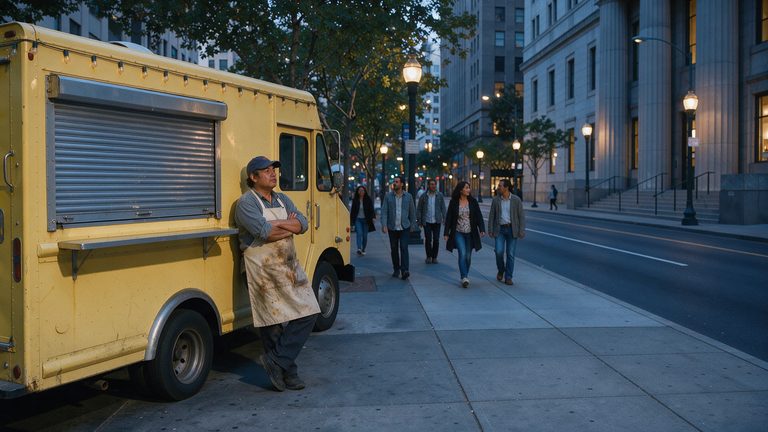
Food truck owners in Nampa, Idaho are raising concerns that recently proposed city‑wide operating rules could force many of them to close, according to a report by 247wallst.com. The owners argue that while cooking and menu development are challenging, the real obstacle is navigating municipal regulations that dictate when and where trucks may operate.
Local regulations can set operating hours, parking locations, required permits and inspection schedules, and they can change quickly, sometimes with little warning to affected vendors. In Nampa, the proposed rules would tighten closing times and restrict parking zones, which owners say would eliminate the peak evening hours that generate a substantial portion of their sales.
“The food was never the hard part; City Hall is,” the report quotes owners as saying, echoing similar disputes in Milwaukee and Charlotte where curfews and forced closing hours sparked controversy. For mobile vendors, a curfew cuts off the lucrative late‑evening crowd, while fixed costs such as truck payments, insurance, commissary fees and fuel remain unchanged.
Operating costs are already climbing. The Bureau of Economic Analysis reported that Americans spent a seasonally adjusted annual rate of $1,610.5 billion on food services in September 2026, the highest monthly figure since January 2024. At the same time, consumer spending on gasoline rose to an annual rate of $547.3 billion in September 2026, up from $424.7 billion a year earlier. The Consumer Price Index also increased, standing at 337.511 in October 2026 compared with 308.417 in January 2024.
Because food trucks rely on mobility to follow crowds, any reduction in allowable hours or locations directly reduces revenue potential. The report advises prospective and current owners to review city and county regulations, understand permit requirements, confirm health‑department and commissary rules, monitor pending council agenda items, and join any local food‑truck association for up‑to‑date guidance.
Residents who enjoy the variety and convenience of food trucks may feel the impact if the proposed rules lead to closures. The story underscores the importance of staying informed about local policy changes that affect small businesses and community dining options.
What’s next: City council members are scheduled to discuss the proposed operating rules at an upcoming meeting. Truck owners plan to voice their concerns during the public comment period, and residents are encouraged to attend or submit feedback to the permitting office.
Sources: 247wallst.com