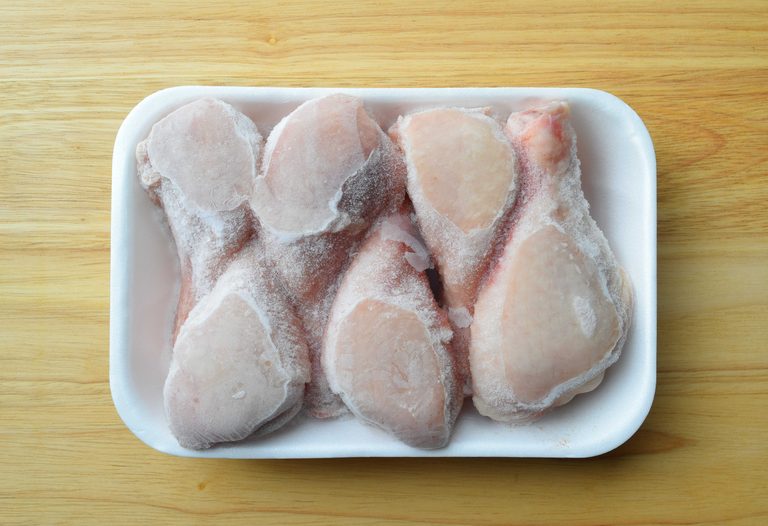
When a frozen chicken sits forgotten in the freezer, the panic of a delayed dinner can quickly turn into a health concern. Raw poultry can harbor salmonella, and mishandling it during thawing creates a perfect environment for the bacteria to multiply. Ellen Steinberg, a food‑safety specialist, shares the safest, USDA‑approved ways to defrost chicken while protecting your family.
Why Thawing Matters
According to FoodSafety.gov, roughly 4% of chicken packages in American grocery stores are contaminated with salmonella. The bacteria thrive in the “temperature danger zone”—between 40°F and 140°F. Leaving chicken on a countertop can push it into that range, increasing the risk of foodborne illness for the whole household.
General Safety Practices
Steinberg stresses that proper containment and cleaning are essential, regardless of the thawing method. She recommends placing raw chicken on a roasting pan or baking sheet to catch any juices, and cleaning all surfaces that touch the meat with hot, soapy water. Using a separate, color‑coded cutting board for raw meat further reduces cross‑contamination. And, of course, wash your hands thoroughly before and after handling raw poultry.
Method 1: Refrigerator Thawing (Most Reliable)
If you have time, the refrigerator is the gold standard. Keeping the fridge at 40°F or lower allows the chicken to thaw gradually without entering the danger zone. This is the only USDA‑approved method that also permits you to refreeze raw chicken without cooking it first, provided you do so within one to two days after it’s fully thawed.
For added safety, place the chicken on a plate or tray on the bottom shelf, and store it toward the back of the fridge where temperatures are most consistent.
Method 2: Cold‑Water Thawing (Fastest Safe Option)
When you need chicken quickly, submerging it in cold water works well. Seal the meat in leak‑proof packaging, place it in a bowl, and run cool water (70°F or lower) over it, changing the water every 30 minutes. Smaller packages may be ready in an hour or less. Steinberg warns against using warm or hot water, as the outer layers can enter the danger zone while the interior remains frozen.
Once the chicken is fully thawed, cook it immediately; refreezing is not recommended after this method.
Method 3: Microwave Thawing (Last Resort)
The microwave’s defrost setting is also USDA‑approved, but it should be used only when no other option is available. Microwaves heat unevenly, often beginning to cook the edges while the center is still frozen, which can affect texture and flavor.
Steinberg advises cooking the chicken right away after microwave thawing. If you plan to use the meat in a heavily sauced dish or shred it for tacos, the texture issue may be less noticeable.
Key Takeaways
- Always keep raw chicken separate from other foods and clean all surfaces.
- Refrigerator thawing is safest and allows refreezing within two days.
- Cold‑water thawing is fast and safe if you change the water regularly.
- Microwave thawing works in a pinch, but requires immediate cooking.
By following these guidelines, you can keep your dinner plans on track while safeguarding your family from salmonella.
Original reporting: 40/29 / KHBS (NW Arkansas) — read the source article.