Farmers across central North Carolina rose early Sunday to find a thin coat of frost on their fields, marking the region’s first freeze of the season. Historically, the first fall freeze in the Raleigh area occurs around November 9; this year it arrived on November 15, roughly a week later than the long‑term average.
Longer warm spell benefits some crops
Garrett Strickland, owner of Moore’s Produce, described the year as “another twist in what has been a chaotic year for farmers and the climate.” He noted a series of extreme weather events – a cold start to the year, a delayed snow, periods of excessive rain followed by drought, and a month of intense heat. “The last couple weeks have been really pretty, not bad weather at all,” Strickland added.
Because of the extended warm period, Moore’s still has eggplant varieties and hot peppers on sale well into November. “We still have extremely hot peppers in the middle of November,” Strickland said. “Normally they don’t last this long at all. All that is going to be gone within probably a month or so because of the frost that we had last night.”
Frost spurs demand for cold‑weather greens
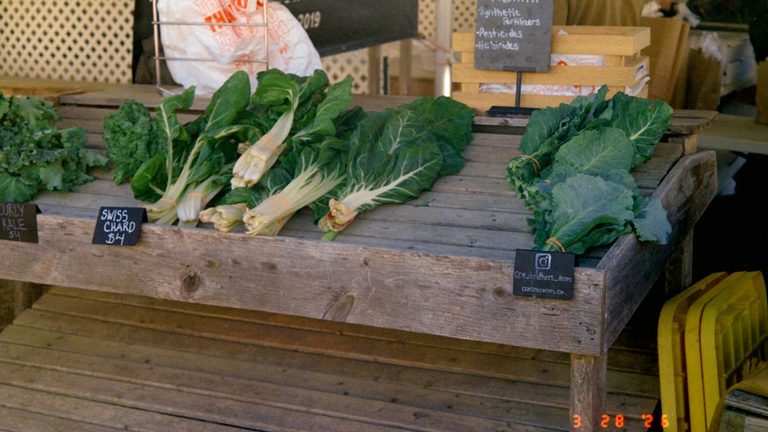
Other growers see the frost as a boon for different produce. Kate Wolschon of Parsons Farm explained that the first freeze makes collard greens sweeter, prompting a surge in sales. “A lot of people won’t buy collards until the first frost,” she said. “They say it makes them sweeter. So we’re selling a lot more greens today now that we’ve had the first frost.”
Rapid response to protect the harvest
When the frost warning hit, farm crews sprang into action. Strickland described a frantic week of preparations: securing pipe insulation, checking boiler house burners, and ensuring pumps were ready for colder temperatures. “It is a wild time when the first freeze comes,” he said. “We had to run around all week, get insulation for pipes, and make sure all the bulbs worked for the boil houses, the pumps, things like that. It’s extremely busy, but we still got to pick everything, box it up, and get everything ready to bring up here every day.”
What the freeze signals for the growing season
For many in the region, the delayed freeze underscores a shifting growing season. Farmers note that while the later frost allowed certain heat‑loving crops to thrive longer, it also compresses the window for cold‑weather vegetables. “The first frost is another reminder that the growing season is changing, and colder mornings are coming,” Strickland said.
Local agricultural extension agents echo these observations, noting that climate variability has made planning more complex for small and mid‑size farms alike. They advise growers to diversify crop rotations and invest in flexible infrastructure to weather future fluctuations.
Looking ahead
As the frost settles in, markets in the Triangle area are already adjusting. Vendors anticipate a shift toward leafy greens and root vegetables in the coming weeks, while hot‑pepper growers prepare for a rapid sell‑off before the cold deepens.
Residents can stay informed about upcoming weather impacts and market offerings by checking local forecasts and visiting farmer’s markets throughout the region.
Original reporting: WRAL Raleigh — read the source article.