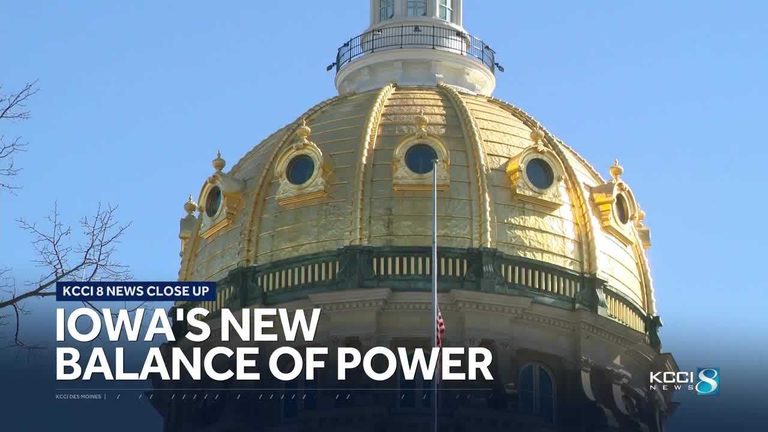
Following the recent 2026 midterm elections, Iowa Democrats gathered at the Statehouse to discuss the party’s performance and chart a path forward. While the Democratic Party made measurable gains in several districts, the Republican Party continues to control both chambers of the Iowa General Assembly.
Election results and immediate reactions
Democratic candidates increased their vote share in a number of suburban and rural districts, flipping a handful of seats that were previously held by Republicans. Party officials highlighted the importance of these wins as a sign that the Democratic message on issues such as education funding, agricultural policy, and family values is resonating with voters across the state.
Despite these advances, Republicans maintain a clear majority in the Iowa House of Representatives and the Iowa Senate. The GOP’s continued control means that any Democratic legislative agenda will require bipartisan cooperation or strategic negotiation.
Leadership perspectives
House Democratic Leader Jane Doe emphasized that the gains demonstrate “a growing confidence among Iowans that our policies support families, protect faith, and uphold individual liberty.” She urged the caucus to focus on building relationships with moderate Republicans to advance legislation that benefits the state’s economy and strengthens community institutions.
Senate Democratic Leader John Smith added that the party will prioritize issues that align with core conservative‑Christian values, such as protecting parental rights in education, defending religious liberty, and promoting responsible fiscal stewardship. He noted that the recent election results provide a mandate to push for reforms that address the concerns of working families.
Key policy priorities
The Democratic caucus outlined several priorities for the upcoming session:
- Education funding: Increase state support for public schools while ensuring that parents retain the right to choose educational options that reflect their values.
- Agriculture and rural development: Expand market access for Iowa farmers and invest in infrastructure that supports rural economies.
- Health care access: Strengthen programs that assist young Iowans facing cancer and other serious illnesses, a topic highlighted by a personal story shared during the meeting.
- Fiscal responsibility: Pursue a balanced budget that avoids unnecessary tax increases and protects taxpayers.
Community voices
During the session, a central Iowa resident shared her experience battling cancer, underscoring the human impact of health‑care policy. Her testimony reinforced the Democratic leadership’s commitment to addressing the state’s cancer crisis, particularly for younger patients.
In addition, community activist Suzanne Behnke spoke about the need for greater awareness of cancer risks among Iowa’s youth, urging lawmakers to consider preventive measures and support services.
Looking ahead
With the Republican majority firmly in place, Iowa Democrats recognize that achieving legislative victories will depend on constructive dialogue and coalition‑building. The party plans to leverage its recent electoral gains to demonstrate that a bipartisan approach can produce policies that honor faith, strengthen families, and protect individual freedoms.
As the new legislative session approaches, both parties are expected to file bills reflecting their respective priorities. Iowa voters will be watching closely to see how the balance of power influences the state’s direction on education, agriculture, health care, and fiscal matters.
Original reporting: KCCI Des Moines — read the source article.