On November 5, Austin City Council voted to earmark a portion of future tax‑increment revenues from the Dog’s Head district for two community‑focused funds. The split will send 5 % of property and sales taxes generated in the first 20 years – projected at more than $270 million – to the Housing Trust Fund, and 14 % of those taxes in the final 15 years – projected at nearly $1.5 billion – to the Parks Enhancement Fund.
Background on the Dog’s Head development
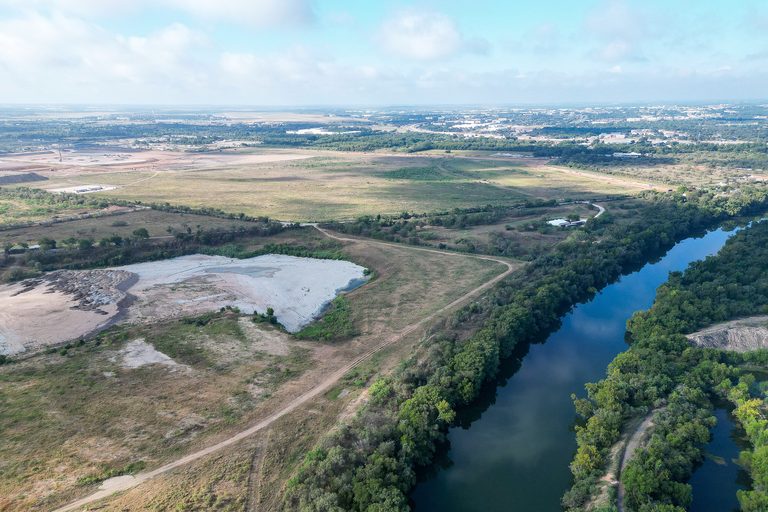
The roughly 4‑square‑mile Dog’s Head area in East Austin, named for its shape along the Colorado River, has long been an industrial and mining zone. In May, the city annexed the parcel and entered a 45‑year agreement with Endeavor Real Estate Group to transform the site into a mixed‑use district that will include residential, commercial, office and industrial space.
Under the agreement, Endeavor receives significant oversight authority, a point of criticism from some council staff and community members who say the deal was finalized quickly and without extensive public review. The plan also conditions the annexation on long‑term city funding for infrastructure such as roads and utilities, which will be financed through a Tax Increment Reinvestment Zone (TIRZ) that captures a share of rising tax revenue.
Projected financial impact
Endeavor projects that the district’s taxable value could rise from its current modest level to nearly $27 billion by the 2060s. If that projection holds, Austin could collect more than $1.7 billion in tax revenue from the area, with hundreds of millions earmarked for the TIRZ.
A separate county‑level TIRZ has been discussed, but Travis County officials have not moved forward on that proposal, which would have added additional revenue streams.
Community response and opposition
While the council’s allocation was framed as a way to secure affordable housing and parkland preservation, council members José Velásquez and Marc Duchen voted against the measure. Duchen expressed concern that locking in revenue allocations could limit future flexibility for essential services such as emergency response.
Beyond the council chamber, a coalition of East Austin residents and advocacy groups – including People in Defense of Earth and Her Resources (PODER), Go Austin/Vamos Austin (GAVA), and the Party for Socialism & Liberation Austin – launched the “Defend Dog’s Head” campaign. The group is circulating a petition to terminate the long‑term development agreement with Endeavor and demand a more thorough community review.
If the petition gathers at least 20,000 signatures, it could be placed on a future ballot. The campaign has already collected over 1,000 signatures and aims to meet the threshold in the spring. Under Proposition G, any successful petition would not appear on a ballot until the November 2028 election, the next even‑year cycle.
Next steps for the district
City planning staff are preparing updates to the development agreement and mobility plans, which include a new street network and bridges linking the district to East Austin and the nearby Tesla Giga Texas site. Public review of these updates is slated to begin in December, with council consideration expected in March.
An Amazon robotics facility, announced earlier this summer, will serve as the district’s anchor tenant. The 1.2‑million‑square‑foot, $100 million plant is under construction and could be operational by next summer, according to a state filing.
Council’s rationale
Council members who supported the allocation argued that directing future tax revenue to the Housing Trust Fund and Parks Enhancement Fund provides a tangible benefit to East Austin residents, ensuring that growth translates into affordable homes and quality green space. The move reflects the city’s broader strategy of using TIRZ mechanisms to fund infrastructure without raising taxes.
City officials noted that the petition process will be reviewed by the City Clerk to confirm compliance with legal requirements, but they declined to comment on how a successful petition might affect the existing Endeavor agreement.
Original reporting: Community Impact — Austin — read the source article.