When I stepped into the modest apartment of Walter Diemer in NeffsVille, Pennsylvania, the first impression was that of a retired accountant – a fitting image for the man who once balanced books for Fleer Corporation in Philadelphia.
From Ledger to Laboratory
In the late 1920s, Diemer was a young employee at Fleer, tasked with overseeing a kettle of experimental gum mixtures. His supervisor placed him in a small room beside the chewing‑gum production line and asked him simply to watch the kettle. “Somewhere in 1928 the stuff started to bubble,” Diemer recalled, describing the moment the mixture first stretched into a pliable, pink mass.
Through trial and error, Diemer added cinnamon and wintergreen flavors that would endure in the recipe for decades. He also chose the bright pink hue simply because it was the only food‑grade coloring available at the factory. The result was a chewable, elastic gum that could be blown into bubbles – a novelty that quickly captured the imagination of children and baseball players alike.
From Local Factory to National Phenomenon
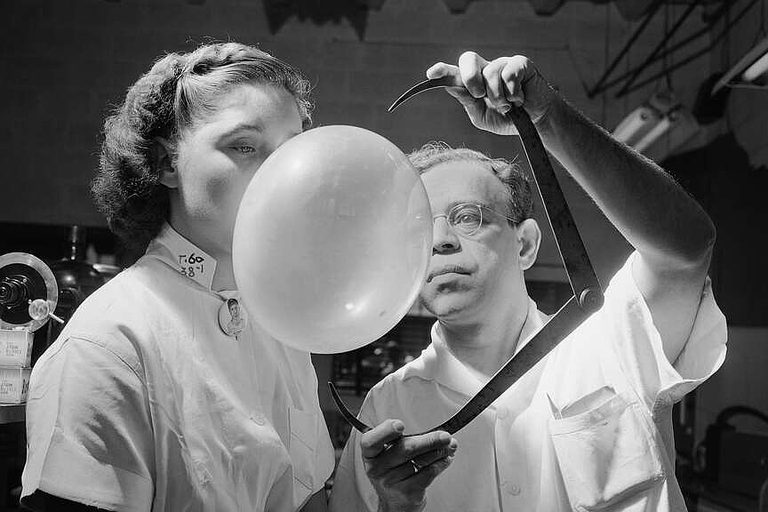
Fleer marketed the new product as “bubble balloon gum” before shortening the name to Dubble Bubble. By the 1970s the gum had become a staple in baseball stadiums, with Topps—including its famous baseball cards—pairing each pack with a piece of the pink treat. A 1976 Topps card even featured Milwaukee Brewers journeyman Kurt Bevacqua holding a bubble‑blowing contest, measured with Bazooka‑branded forceps.
The gum’s popularity spread far beyond Pennsylvania. Kids across the United States began to chew, blow, and pop the pink bubbles, turning a simple confection into a cultural touchstone. Even today, the distinctive pink Dubble Bubble remains a nostalgic reminder of mid‑century American leisure.
Reflections of a Humble Innovator
Walter Diemer lived to see his invention become an enduring part of American life. He passed away in 1998, but not before expressing a quiet pride in the joy his creation brought to countless children. “I love knowing that kids are having fun,” he said. “I haven’t made a lot of money out of this, but there is a lot of satisfaction in doing something people enjoy.”
His story illustrates how a modest experiment in a Philadelphia factory can ripple outward, shaping a national pastime and providing a sweet, chewy link between generations.
Why This Matters Locally
For residents of NeffsVille and the surrounding Pennsylvania communities, Diemer’s legacy is a reminder that innovation can arise from any corner of the workforce, even from an accountant’s desk. His invention underscores the value of curiosity, perseverance, and the willingness to experiment—qualities that local entrepreneurs and small‑business owners continue to embody today.
As Texas readers celebrate their own traditions of ingenuity and family‑focused enterprises, the story of Walter Diemer offers a timeless example of how a simple idea can become a beloved part of everyday life.
Original reporting: Texarkana Gazette — read the source article.