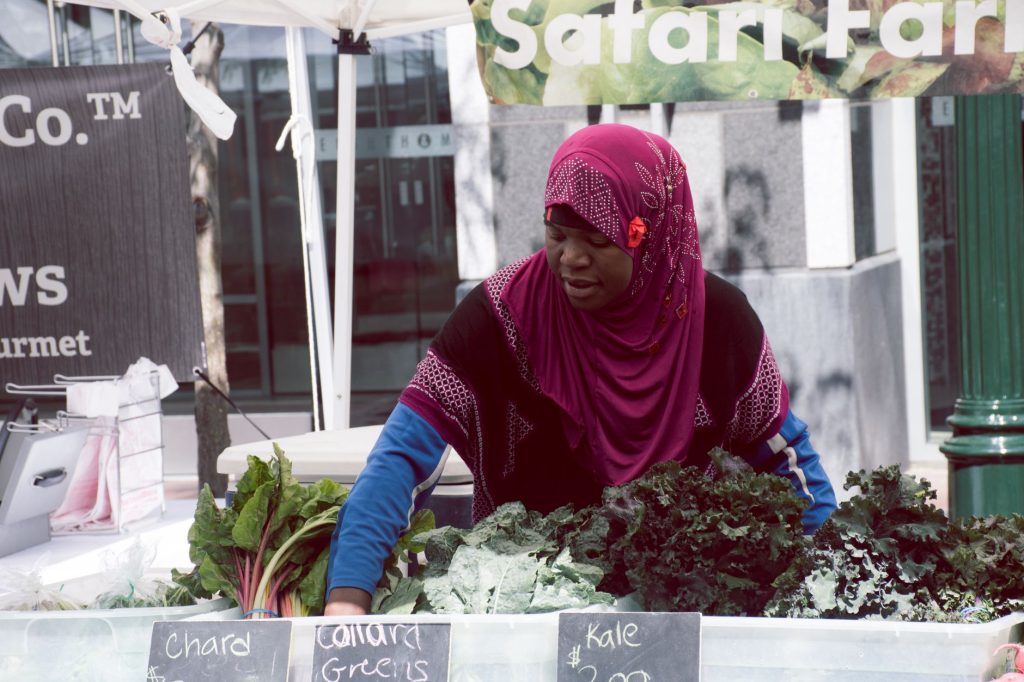
By nine on a Saturday morning in mid-October, the light at Berkeley Park is already doing something interesting — low and sharp, cutting through the cottonwoods at an angle that makes even the chard look good. That’s when the Denver Urban Gardens market at Regis gets going, and if you haven’t made it out to one of DUG’s neighborhood markets before, you’ve probably been driving past the signs for years without stopping.
Denver Urban Gardens has been operating since 1985, running a network of more than 180 community gardens spread across the city — from Globeville to Green Valley Ranch, Swansea to Westwood. The organization manages plots where residents grow their own food on shared land, often in neighborhoods where fresh produce options are genuinely thin. But what most people outside those communities encounter is the farmers markets DUG runs in partnership with its gardens. There are several through the season; the one at Regis University runs Saturday mornings into late fall.
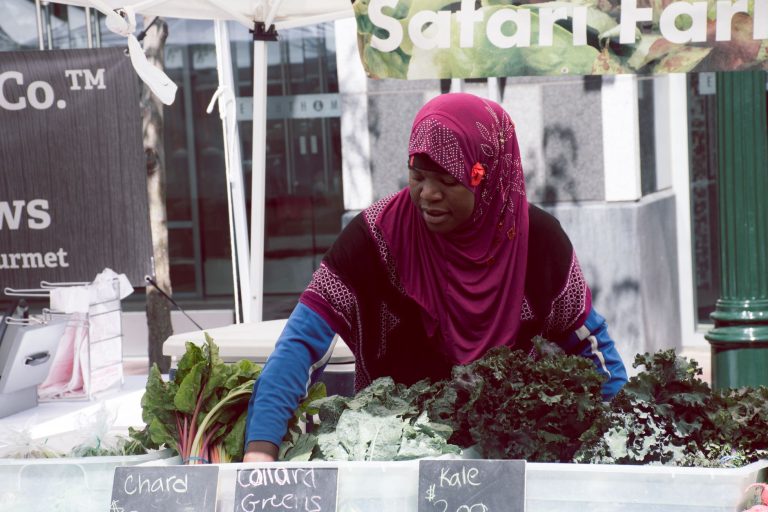
The market itself is small by design. Maybe a dozen vendors on a good week — a few growing their own produce, some value-added goods like hot sauce and pickled vegetables, occasionally a bread baker or a flower grower. Because it’s rooted in the DUG network, the emphasis is on people who actually farmed or preserved what they’re selling, not resellers who drove in from the Eastern Plains with a truckload of commodity corn. That difference matters. You can ask the person at the table where something was grown and get a real answer.
In October, the late-season haul is what makes it worth the drive. Winter squash in varieties most grocery stores don’t bother with — kabocha, red kuri, delicata — plus braising greens, dried beans, root vegetables, and apples from the Front Range orchards that sometimes send a representative out. Prices are what you’d expect from a small-scale direct market: not cheap compared to King Soopers, but honest given what it costs to grow food at this scale in Colorado.
Beyond the market, DUG’s community gardens are worth understanding on their own terms. Plot fees are kept low — often $30 to $60 a season for a 100-square-foot plot, with reduced rates for income-qualifying households. There’s usually a waiting list for the more established gardens closer to downtown, but newer sites in outer neighborhoods sometimes have openings. The organization’s website lists availability and runs a fairly straightforward application process.
What DUG has built over four decades isn’t glamorous, and they don’t try to make it seem like it is. It’s neighborhood infrastructure — a way for people in a city that paved over most of its agricultural land to maintain some practical connection to growing food. The Saturday market is the visible tip of that, and it’s a decent place to spend an hour on a cool fall morning before the city fully wakes up.
Bring cash. Parking along Federal is free on weekends. Get there before ten if you want the better squash selections; some vendors sell out by mid-morning and pack up early when the wind picks up.