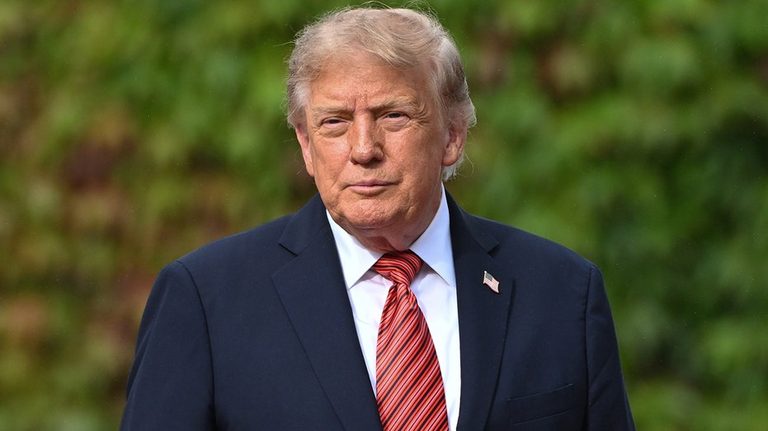
Washington – President Donald Trump’s decisive action against Iran continues to draw sharp criticism from a small group of Republican representatives who are weighing a new War Powers resolution. The president and his administration maintain that the limited strikes are a vital response to Iranian aggression and a necessary defense of American lives and interests.
Trump’s Position on the Iran Operation
In recent statements, the White House emphasized that the targeted strikes were carried out to neutralize imminent threats posed by Iran’s regional proxies. Administration officials argue that the operation aligns with the Constitution’s allocation of war‑making powers to the commander‑in‑chief, especially when rapid action is required to protect the nation.
“President Trump is exercising his constitutional authority to keep America safe,” said a senior administration spokesperson. “The War Powers Resolution was designed for a different era and should not be used to hamper a president who is acting to defend our troops and our allies.”
Republican Lawmakers Push Back
Rep. Thomas Massie (R‑KY) told Fox News Digital that a new Iran War Powers resolution could appear on the House floor “in the next few legislative days” or around the holiday season. Massie framed his effort as a “life boat from MAGA,” suggesting that some Republicans feel pressured to distance themselves from the president’s foreign‑policy agenda.
House Armed Services Committee Chairman Mike Rogers (R‑AL) indicated he would oppose the resolution but acknowledged Massie’s outreach to other members. Rep. Jeff Van Drew (R‑NJ) echoed this sentiment, noting that “one or two” additional Republicans might join the effort.
Other GOP members, including Reps. Tom Barrett (R‑MI), Warren Davidson (R‑OH) and Brian Fitzpatrick (R‑PA), have previously voted for a War Powers measure and say they would support a new resolution if it mirrors earlier language. Barrett expressed skepticism that more colleagues would switch sides, citing the difficulty of changing positions after a prior vote.
Democratic Perspective and Election Context
House Democrats, such as Rep. Ayanna Pressley (D‑MA) and Rep. Rosa DeLauro (D‑CT), view the potential Republican defections as a sign that the 2026 midterm results may embolden lawmakers to question the president’s foreign‑policy choices. Rep. Adelita Grijalva (D‑AZ) suggested that the threat of Trump funneling campaign money into Republican districts has diminished, allowing more representatives to listen to constituents who oppose continued hostilities.
Constitutional Debate
The discussion revives the long‑standing debate over congressional authority to declare war versus the president’s role as commander‑in‑chief. The War Powers Resolution of 1973 requires the president to notify Congress within 48 hours of deploying armed forces and limits engagements to 60 days without congressional approval. The Trump administration argues that the resolution’s constraints are outdated and impede swift action against threats.
Critics, however, contend that unchecked executive military action risks entangling the United States in prolonged conflicts without proper legislative oversight. Massie warned that “Congress is paralyzed” and accused many Republicans of remaining “in the suicide pact with this administration.”
What’s Next?
As of now, no formal vote on a new Iran War Powers resolution has been scheduled. The House leadership has not set a date, and the outcome will likely hinge on how many GOP members join the bipartisan effort. Meanwhile, the Trump administration continues to defend its Iran strategy as a necessary measure to protect American security and uphold the president’s constitutional authority.
Original reporting: Fox News (HLL/CB) — read the source article.