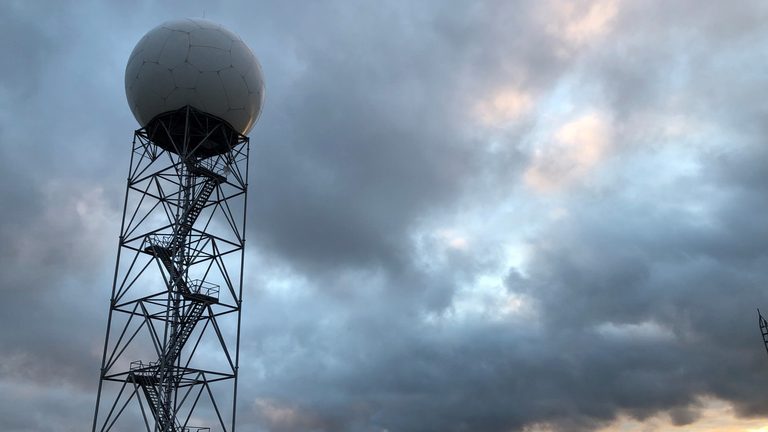
In a clear‑cut response to circulating misinformation, the National Weather Service (NWS) announced Friday afternoon that its radar network remains fully operational. The agency emphasized that the website radar.weather.gov is working as intended and that no nationwide outage exists.
Rumors traced to outdated webpages
Social‑media users had shared posts suggesting that weather radars across the United States were offline, linking the alleged outage to grounded flights and alleged communication problems at Federal Aviation Administration (FAA) offices. The NWS identified the source of the confusion as outdated content on isolated webpages that continue to circulate online, giving the false impression that the radar system had failed.
Official clarification
“Radar.weather.gov is fully operational and no outage exists,” the NWS statement read. “Outdated content from isolated webpages has been circulating and spreading online, leading some people to believe the radar network is down.” The agency’s prompt clarification aims to restore public confidence in the weather‑monitoring infrastructure that underpins daily forecasts, severe‑weather warnings, and aviation safety.
Why accurate radar information matters
Reliable radar data is essential for farmers planning crop protection, parents deciding whether to keep children home during severe storms, and pilots relying on up‑to‑date weather information for safe flight paths. By confirming that the radar network is functioning, the NWS reassures communities that they can continue to depend on timely weather alerts.
Addressing the FAA flight‑grounding claim
The rumor also linked the supposed radar outage to a broad grounding of flights across the country. The NWS made no mention of any FAA communication issue, and no official FAA statement corroborated a nationwide grounding. This suggests the flight‑grounding claim was part of the broader misinformation cascade rather than an actual operational problem.
How to verify official weather information
Readers are encouraged to consult the official NWS website or trusted local weather outlets for accurate updates. The agency’s social‑media channels also provide real‑time information and can serve as reliable sources when questions arise.
Community response
Local leaders and emergency‑management officials praised the NWS for its swift clarification, noting that clear communication helps families and businesses make informed decisions during weather events. “We rely on the National Weather Service every day,” said a spokesperson for a regional emergency‑management agency. “Their transparency keeps our communities safe and prepared.”
As misinformation continues to spread quickly online, the NWS’s proactive stance underscores the importance of checking official sources before accepting sensational claims. By doing so, citizens can avoid unnecessary alarm and maintain trust in the critical services that protect lives and property.
Original reporting: FOX 11 WLUK Green Bay (local) — read the source article.