I went on a Wednesday in late June, right around noon, mostly because I had an hour to kill before a meeting across the river. I had no particular expectations — maybe some flower beds, maybe a bench. What I found instead kept me there until I was genuinely late.
The Northern Plains Botanic Garden sits on the east edge of Mandan, just across the Missouri from Bismarck proper, off a stretch of road that doesn’t telegraph what’s coming. The entrance is quiet. No ticket booth, no gift shop at the gate. You park, you walk in, and the first thing that hits you is how much effort someone has put into making this place feel deliberate rather than decorative.
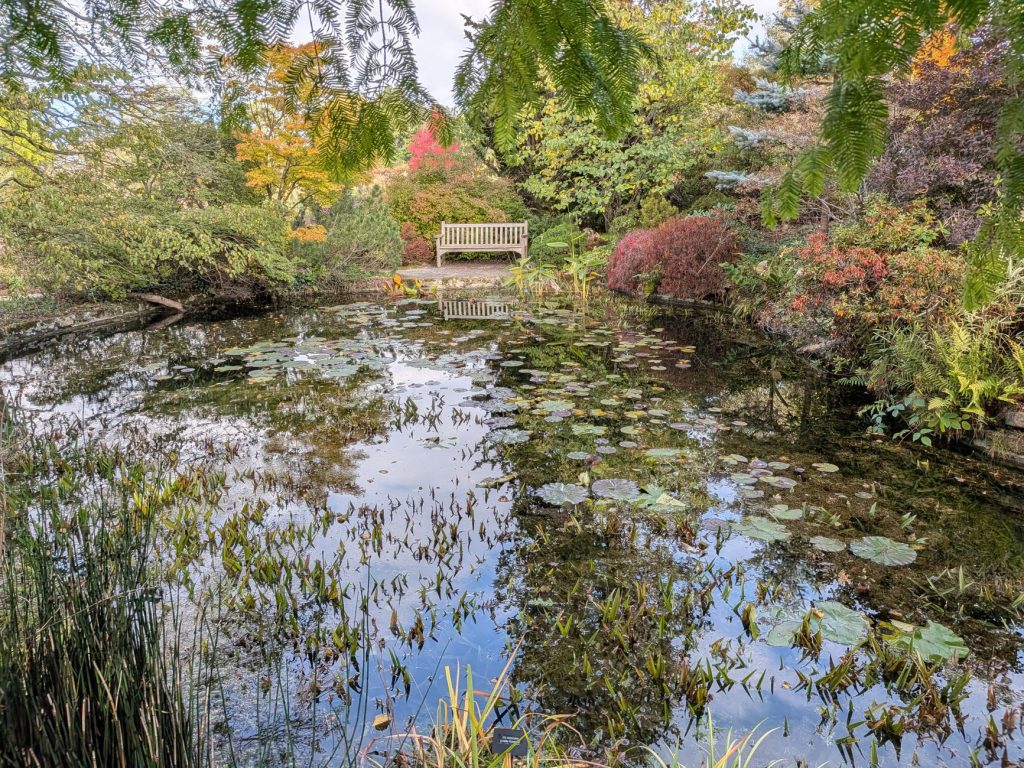
The garden is organized around native and adapted plants of the Northern Plains — grasses, wildflowers, shrubs, trees that actually make sense in a North Dakota climate. That sounds utilitarian, and I’ll admit I expected it to feel like a horticultural textbook made physical. It doesn’t. The prairie grass section in particular does something unexpected: when the wind moves through it in summer, the whole planting ripples like a slow wave. Standing at the edge of that section on a breezy noon, watching it move, I stopped thinking about my meeting entirely.
There are demonstration gardens showing how to grow vegetables and perennials suited to this region’s short season and cold winters — genuinely useful if you have a yard and have ever killed a plant you bought at a big-box store that turned out to be a Zone 6 species dropped into Zone 4. The staff and volunteers here think about that stuff seriously. I overheard a conversation between a volunteer and a young couple about which native ground covers would outcompete creeping Charlie in their lawn. It wasn’t a sales pitch. It was just two people who knew something helping people who wanted to know it.
Admission is free, which still surprises me. The garden operates through a nonprofit, and there’s a donation box near the entrance that I’d encourage you to use. It’s open during daylight hours in the warm season — roughly May through October — and the peak of it is probably late June through July, when the pollinator beds are fully going. I counted at least six species of bee in one five-minute stretch. Butterflies move through constantly.
Bring kids if you have them. The scale of everything is manageable — this isn’t a sprawling acreage that exhausts a six-year-old — and there are interpretive signs at a height that actually works for children. It’s also quiet enough that if you bring a notebook or just want to sit and not look at a screen for thirty minutes, it accommodates that too.
I’ve started going back on purpose. Once in early July when the coneflowers were thick, once in late August when things had gone to seed and the light was that particular low-angle gold. It looks different every few weeks. For a free hour in the middle of a workday, there are few better uses of time within driving distance of downtown Bismarck — and I say that as someone who didn’t expect to feel that way at all after a Wednesday lunch break in a garden I’d never heard of.