On a Saturday morning in October, the parking lot off Warwick Avenue at the Kentish Artillery Armory is half-full by ten o’clock. Inside, there are no crowds, no audio guides, no gift shop pushing magnets. Just galleries, natural light coming through tall windows, and a rotating collection of work made by people who live within a reasonable drive of this building.
The Warwick Museum of Art has been operating inside the 1912 Kentish Artillery Armory on Warwick Avenue for years, and it still manages to feel like something most people in the city haven’t quite discovered yet — not because it’s obscure, but because a free community art museum in a historic armory building doesn’t fit neatly into anyone’s idea of a Saturday plan. It should.
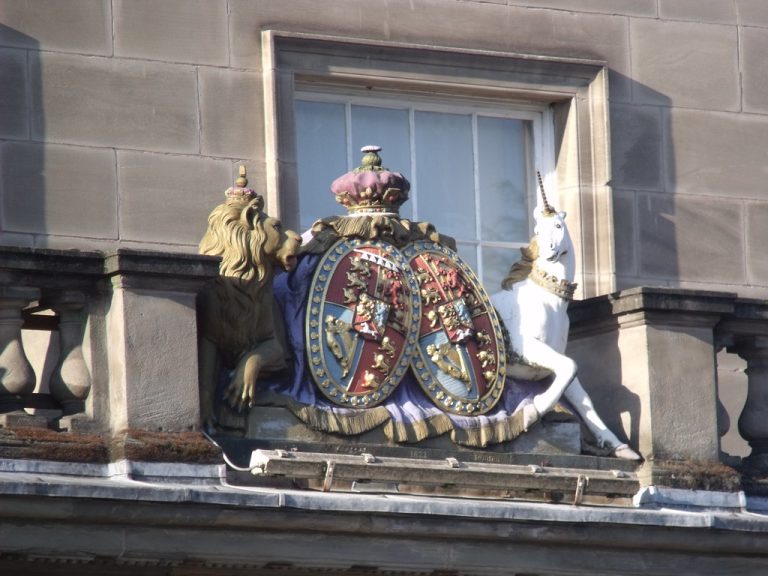
The armory itself is the first reason to go. The building is a serious piece of Rhode Island civic architecture — thick stone walls, arched windows, a drill hall that now doubles as event and exhibition space. The museum keeps the bones of the place intact while hanging work that ranges from regional painters to photography to mixed media. Exhibitions turn over regularly, so the gallery feels current rather than fixed. On a recent visit, the main show featured oils and prints from New England artists working in a broadly realist tradition — nothing cutting-edge, but consistently skilled, and priced to sell if you ask at the desk.
Second reason: the programming. WMA runs workshops, life drawing sessions, and classes for adults and kids throughout the year. If you have children who’ve shown any interest in making things, this is worth knowing about. The instruction is hands-on and the class sizes stay manageable. Rates are modest — usually in the $10–$25 range for a single session, with memberships available for families who want to come regularly.
Third: admission to the galleries is free. That’s not a promotional angle — it’s just true, and it matters. You can walk in on a gray Tuesday afternoon, spend forty-five minutes looking at work, and leave without spending anything. That kind of low-stakes access is rare enough that it changes how you use a place. People bring their kids without it feeling like a commitment. Local artists drop in to look at what’s on the walls. It functions less like a destination and more like a neighborhood resource that happens to be open to the whole city.
The museum is on Warwick Avenue in the Norwood section of the city, a few minutes south of the Cranston line. It’s not in the most foot-traffic-heavy corridor, so plan to drive. Street parking on Warwick Avenue is usually fine. Hours shift seasonally, so check the website before you go — they’re typically open Wednesday through Saturday, with some Sunday hours depending on the month.
If you’re looking for a reason to visit beyond the galleries themselves, WMA hosts a few signature events each year, including their annual gala and juried shows that bring in work from across southern New England. The juried exhibitions in particular are worth catching — the selection is taken seriously, and the opening receptions are genuinely well-attended by people who care about the work, not just the wine.
It’s a small museum with a clear sense of what it’s for: keeping visual art visible and accessible in a city that doesn’t have a major cultural institution anchoring downtown. It does that job without pretension, and the building alone is worth the trip.