Adding living color to a home is especially welcome during the colder months, and flowering houseplants can provide a garden‑like display without stepping outside. Below are five reliable varieties and the care steps that will keep them blooming for weeks or even months.
Cyclamen
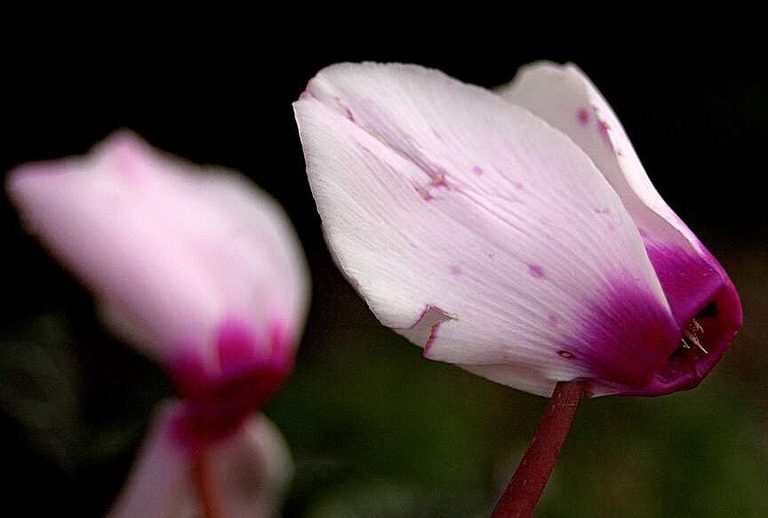
Cyclamen produce blossoms in white, pink, red or purple, with petals that curl back like tiny butterflies. For the longest display, place the plant in indirect light near an east‑ or north‑facing window and keep the room cool, ideally between 60 °F and 70 °F (15‑21 °C). They thrive with higher humidity; a pebble tray with water works well, or a nearby humidifier can be used.
To prevent root rot, avoid getting water on the crown where the roots meet the stem. Water from below by setting the pot on a saucer of water and allowing the soil to draw moisture through the drainage hole, then discard any excess. Fertilize once a month while the plant is actively growing and flowering. In late spring, stop watering and feeding, move the plant to a cooler, dimmer spot, and let it rest until fall.
African Violets
African violets are a bit finicky but not hard to grow. They need slightly acidic soil (pH 6.0‑6.8) and benefit from a balanced 20‑20‑20 fertilizer or a formula made specifically for violets every two to three months.
Give them direct light from October through February, except in the Deep South where winter sun is stronger. In spring and summer, shift them to the side of a north‑ or east‑facing window rather than directly in front. Keep the leaves dry; bottom‑water with room‑temperature water and avoid letting the pot sit in water for long periods. If the room is dry, add humidity with a humidifier or a pebble tray.
Bromeliads
Bromeliads bloom only once, producing striking bracts in red, yellow, orange, purple or peach that can last for months. After flowering, the mother plant produces “babies” that will take over the next generation.
These plants are easy to care for because they absorb water through their leaves. Place them in bright, indirect light and fill the central cup with room‑temperature water, rinsing the reservoir weekly before refilling.
Peace Lilies
Peace lilies thrive in bright, indirect light and prefer temperatures between 64 °F and 72 °F (17‑22 °C). Keep the soil consistently moist but never soggy, and mist the foliage occasionally with room‑temperature water.
Removing spent blooms encourages the plant to produce new flowers, extending the display.
Kalanchoe
Kalanchoe does best in full, but not harsh, sunlight and enjoys daytime temperatures of 50 °F‑70 °F (10‑21 °C). Cooler nights of 45 °F‑65 °F (7‑18 °C) help prolong flower life.
Plant in a well‑draining potting mix and let the soil dry slightly between waterings. Feed once a month with a standard houseplant fertilizer while the plant is actively growing.
By following these straightforward light, temperature, and watering guidelines, homeowners can enjoy a vibrant, living bouquet throughout the year, turning any room into a miniature garden sanctuary.
Original reporting: Texarkana Gazette — read the source article.