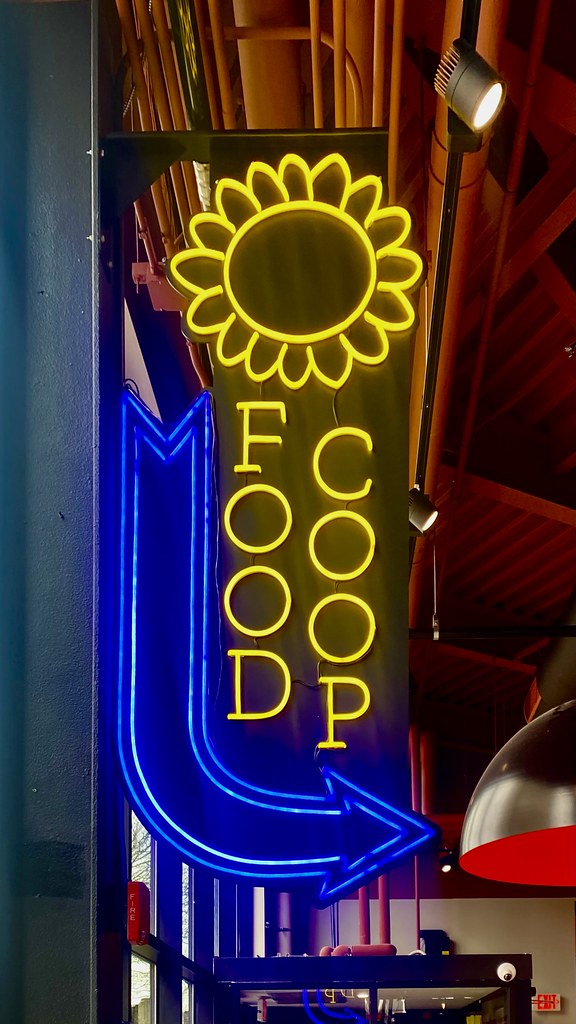
Noon on a Wednesday, and Thea Rourke is restocking the bulk bins with the focused patience of someone who has done it a thousand times — which she has. She’s been a member-owner of the Syracuse Cooperative Market on Westcott Street for going on eleven years, first as a shopper who wanted good olive oil and cheese she could actually trust, then as a worker-member logging four hours a month behind the counter or on the floor. She’ll tell you the two categories bleed together here, which is the whole point.
The Syracuse Cooperative Market sits at 618 Kensington Road, a few blocks from the Westcott Street strip, in a building that is clean and practical rather than designed to impress you. Walk in around midday and you’ll find maybe a dozen people moving through the narrow aisles — a grad student with a canvas bag, a retired couple debating yogurt brands, a parent with a kid who wants the dried mango. The place doesn’t hum with performance. It just works.
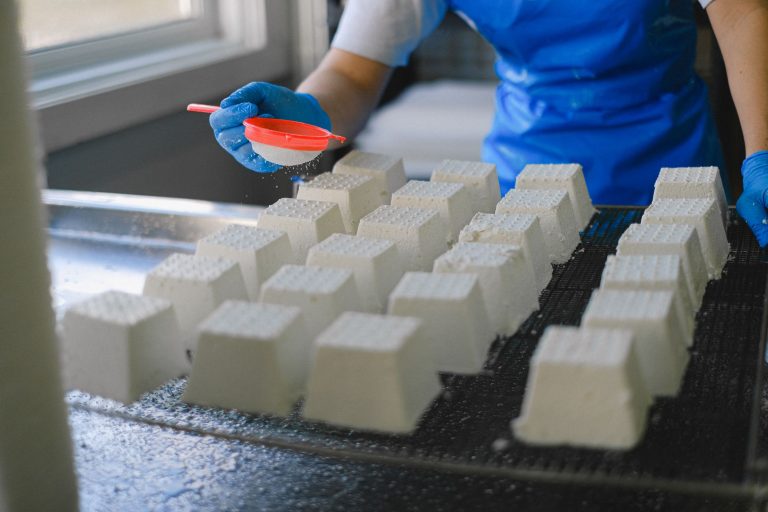
What you’re shopping here is a mix of local, regional, and consciously sourced goods. The cheese case is genuinely one of the better ones in Syracuse — not enormous, but edited. You’ll find New York state cheddars, soft chèvres from smaller upstate producers, and a rotating import or two. The produce section is tight but reliable, leaning local when the season allows. During October, you can count on squash from farms forty miles away. In January, you manage expectations and load up on the greenhouse greens instead.
The bulk section is where Thea will redirect your attention if you give her the chance. Bins of grains, legumes, nuts, spices, flours — the kind of pantry infrastructure that makes you rethink the grocery store you’ve been defaulting to. Bring your own containers if you remember; they’ll weigh them at the register. Prices here are fair without being cheap, which is different from what you’ll find at a conventional supermarket, and also different from the markup you’d absorb at a specialty food boutique. Figure maybe $60–80 for a solid weekly shop if you’re cooking most meals at home.
To become a member you buy a share — currently around $100 total, payable in installments — and that gets you a small discount on purchases and the right to volunteer. Non-members can shop too, paying the standard shelf price. The model matters to Thea: she is specific about why she joined rather than simply shopped. The cooperative structure means the people working and buying here have some say in what stays on the shelves. That accountability shows up in small ways — a supplier gets dropped because someone brought a concern to a meeting, a new local vendor gets a trial run because a worker-member pushed for it.
By 12:30, the lunch crowd is gone and the store settles back into its midday quiet. Thea finishes the bins, wipes down the counter, and starts on inventory. She’s not performing anything for you. That’s the thing about this place — nobody is. You can find the olive oil, pick up a half-pound of coffee beans, maybe grab a bar of that chocolate from the Hudson Valley producer you keep forgetting the name of, and leave. Or you can ask questions and get real answers. The Syracuse Cooperative Market has been operating since 1971, which means it has outlasted a lot of trends without becoming one. That’s worth something in a city that tends to cycle through food concepts fast.