What do people actually do at Pioneer Park on a Saturday morning in October? The answer, it turns out, is everything and nothing in particular — and that’s precisely the point.
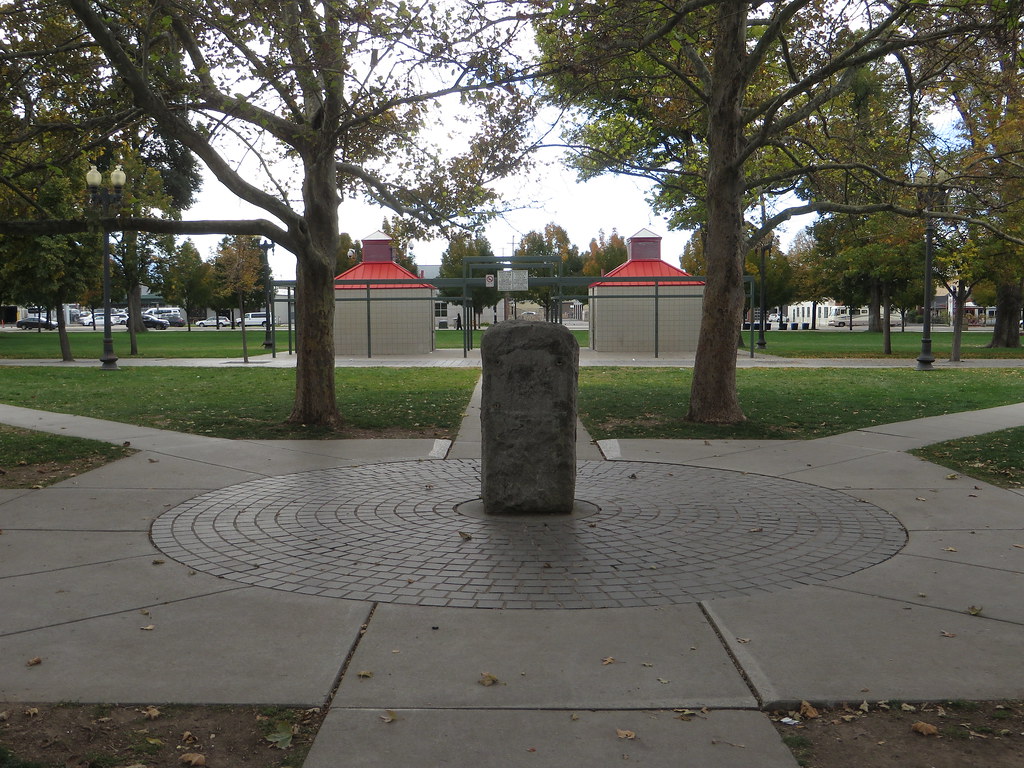
Pioneer Park occupies a full city block at 350 South 300 West, squarely in the middle of Salt Lake City’s warehouse and arts district, a neighborhood that has been cycling through identities for decades. The park is 9.2 acres of open ground, mature trees, a basketball court, a small amphitheater, and grass that gets heavy use from sunup to past dark. It is not manicured. It doesn’t pretend to be. That relative roughness is part of why it draws such an honest cross-section of the city.
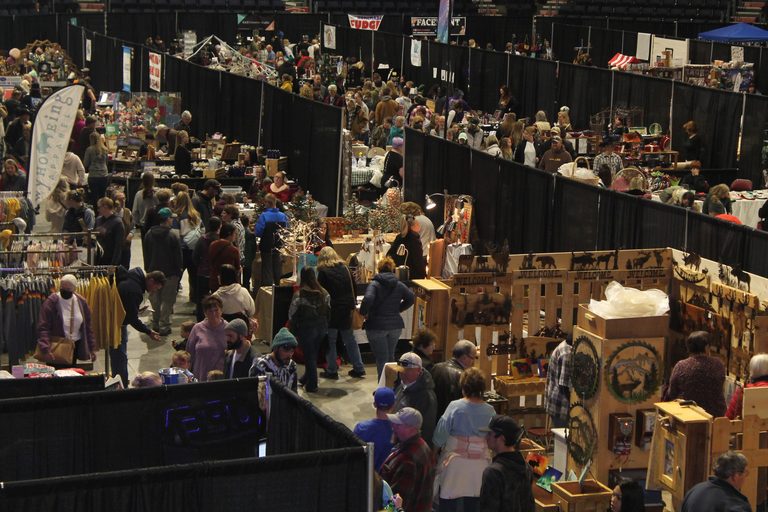
The Saturday Farmers Market, which runs from late June through October, transforms the park into something entirely different from its weekday self — but that event has its own story and its own regulars. What’s worth noting here is what the park is when the market isn’t running: a genuinely urban green space that feels more like a city park in Denver or Portland than the tidy, suburban-feeling green spaces that dominate the Salt Lake Valley’s outer neighborhoods.
The amphitheater hosts summer concerts through the Twilight Concert Series, one of the most beloved and long-running outdoor music programs in the city. Tickets are cheap by any measure — often in the $5 to $15 range — and the lineups have historically punched well above their price point, drawing national touring acts alongside regional openers. The venue holds a few thousand people standing on the grass, and the sight lines are mostly good. Bring a blanket if the ground is damp; food trucks line the perimeter.
On non-concert days, the park functions as a kind of civic commons. Dog walkers cut through the northeast corner. Groups of men play pickup soccer on the grass. A few regulars work through chess games on the fixed outdoor tables near the west side. In warmer months, there’s a consistent presence of people who have nowhere else to go — the park is one of the few open public spaces downtown that doesn’t actively push people along — and that reality is part of its character, not a footnote to it.
The surrounding neighborhood adds texture to any visit. Food trucks and lunch spots cluster along 400 South. The Utah Arts Alliance maintains gallery space nearby. The warehouse district immediately to the west and north hosts studios, small manufacturers, and a rotating cast of event venues. Pioneer Park functions as a kind of anchor for all of it.
Parking on the street is free on weekends and metered during the week. The park is a short walk from the TRAX light rail system, which makes it accessible from most parts of the valley without a car. There are no admission fees, no ticketed attractions, and no particular reason to stay or go.
That openness — the lack of a programmed reason to be there — is what makes it worth returning to. Salt Lake City has plenty of parks with better amenities and more polished landscaping. Pioneer Park has something harder to plan for: the feeling that the city is actually using it.